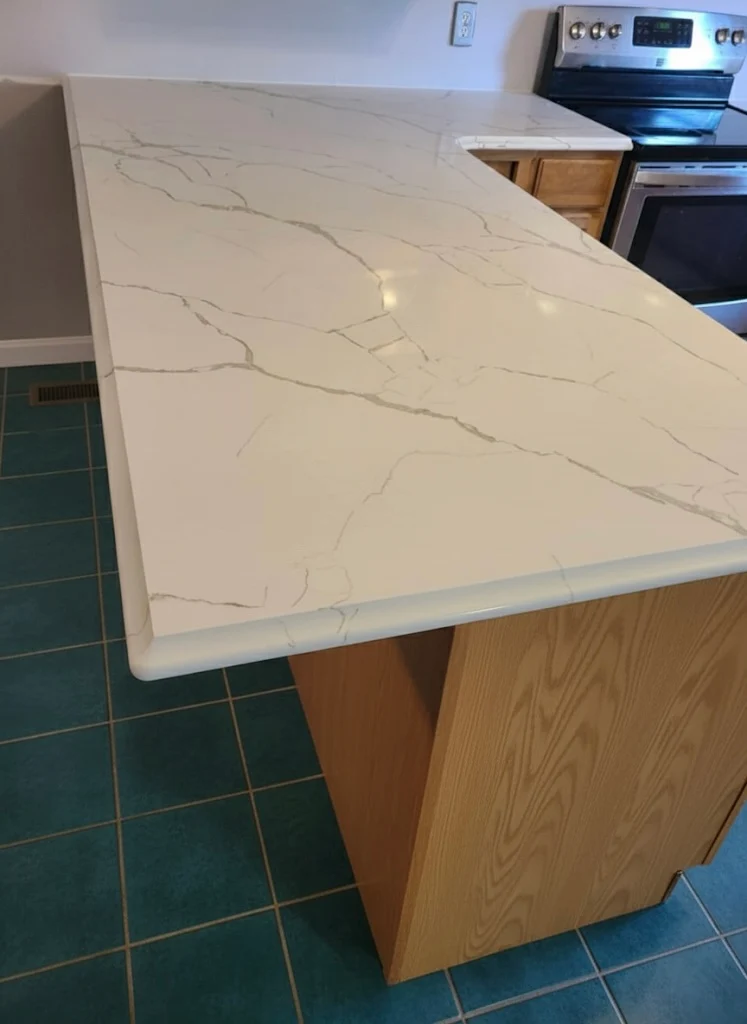
QUARTZITE COUNTERTOPS FOR CHICAGO HOMES
Ask ten fabricators for quartzite and half of them will try to sell you quartz instead. It’s easier to source, easier to cut, and most customers don’t know the difference until it’s already installed.
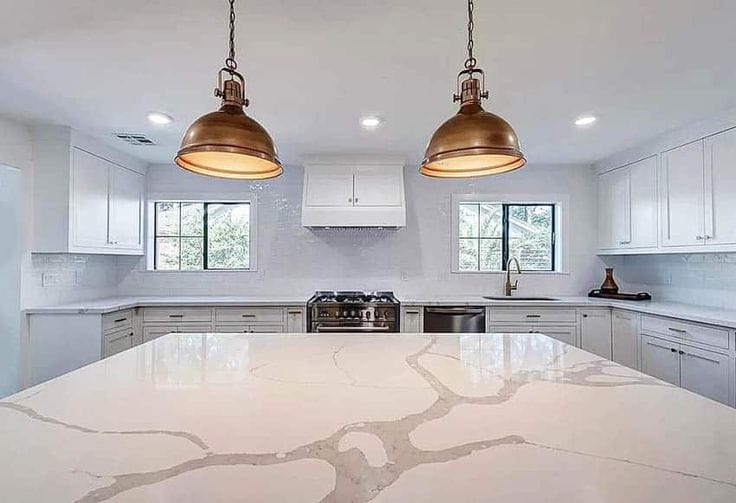
Real quartzite starts as sandstone, then spends geologic time under enough heat and pressure to fuse into something harder than granite. It comes out of the ground with marble’s pale fields and soft veining still intact, because that’s genuinely what it is underneath, just compressed into a stone that won’t etch under a wine glass or dull under a hot pan the way marble does.
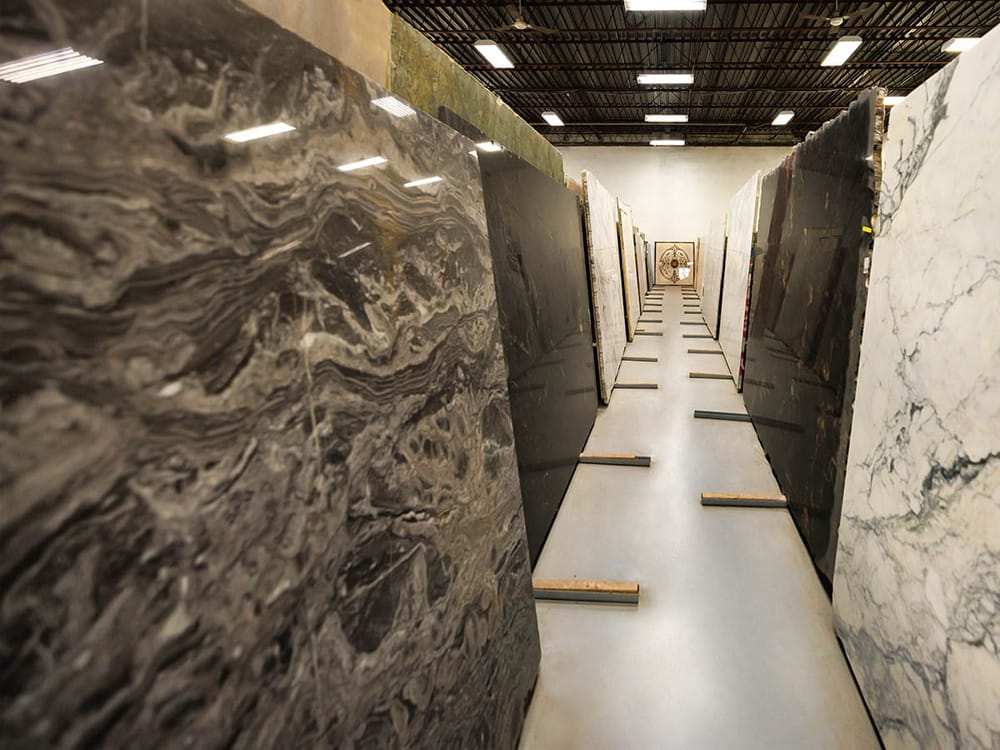
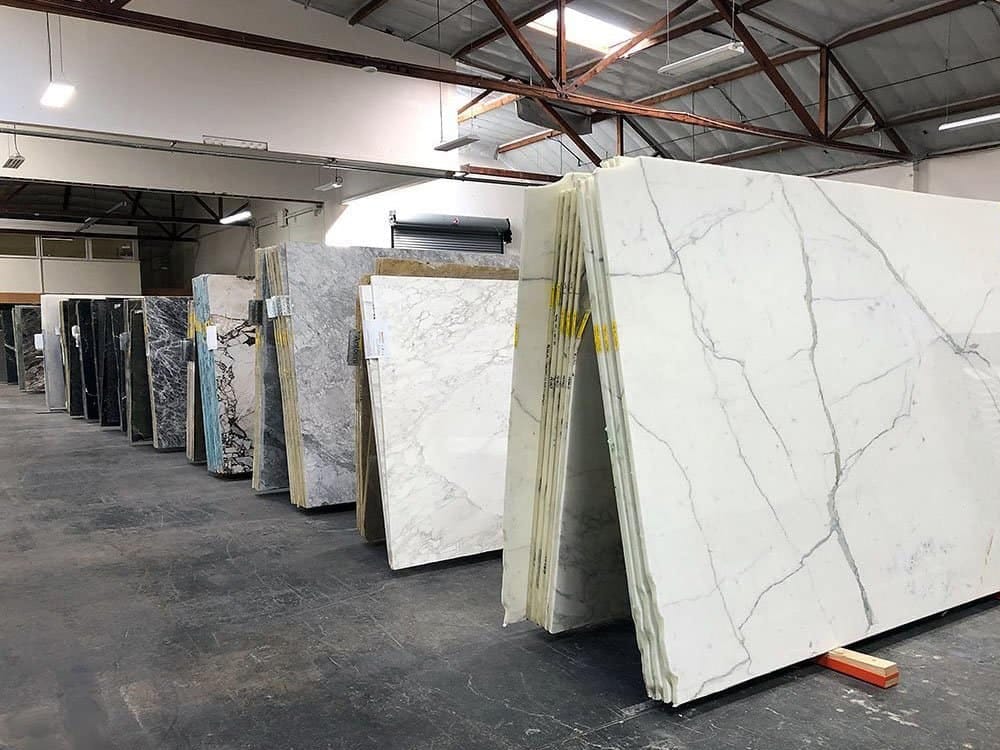
Al Jory Marble stocks it, fabricates it in our own Crestwood shop, and installs it across Chicago and the suburbs. Come see full slabs in the yard. On this material especially, a photo won’t show you what you’re actually buying.
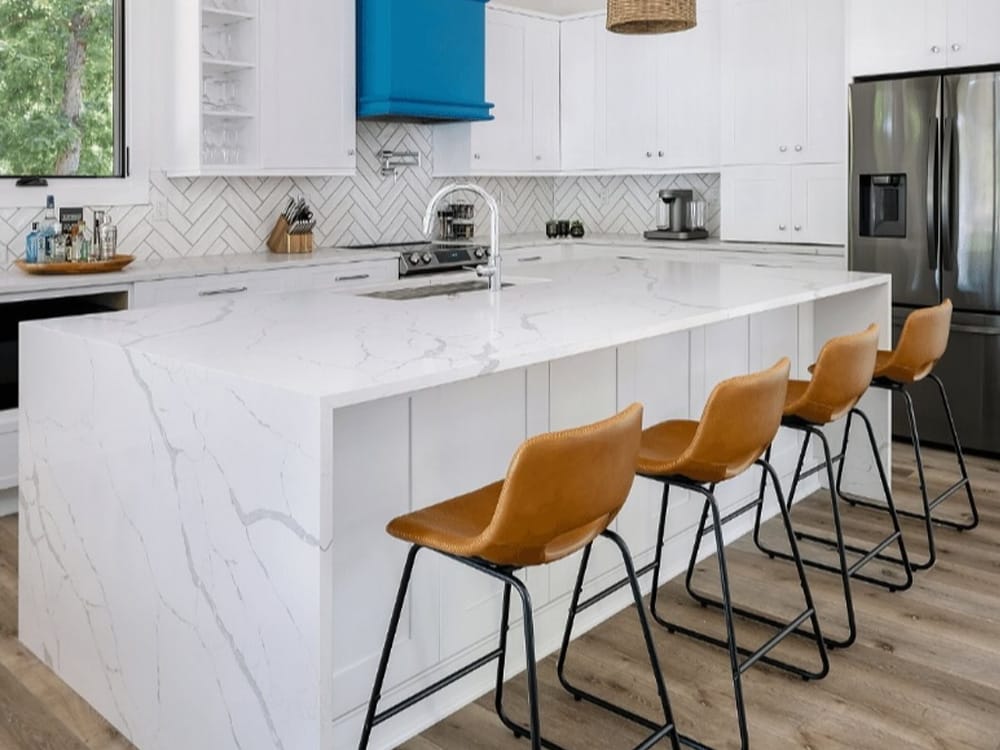
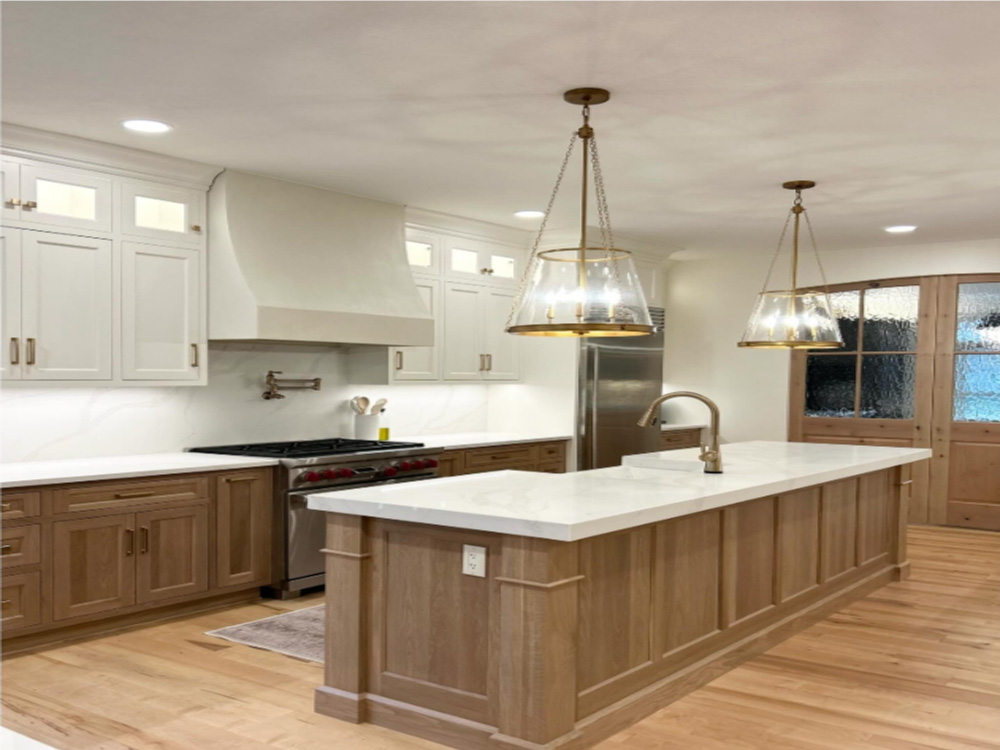
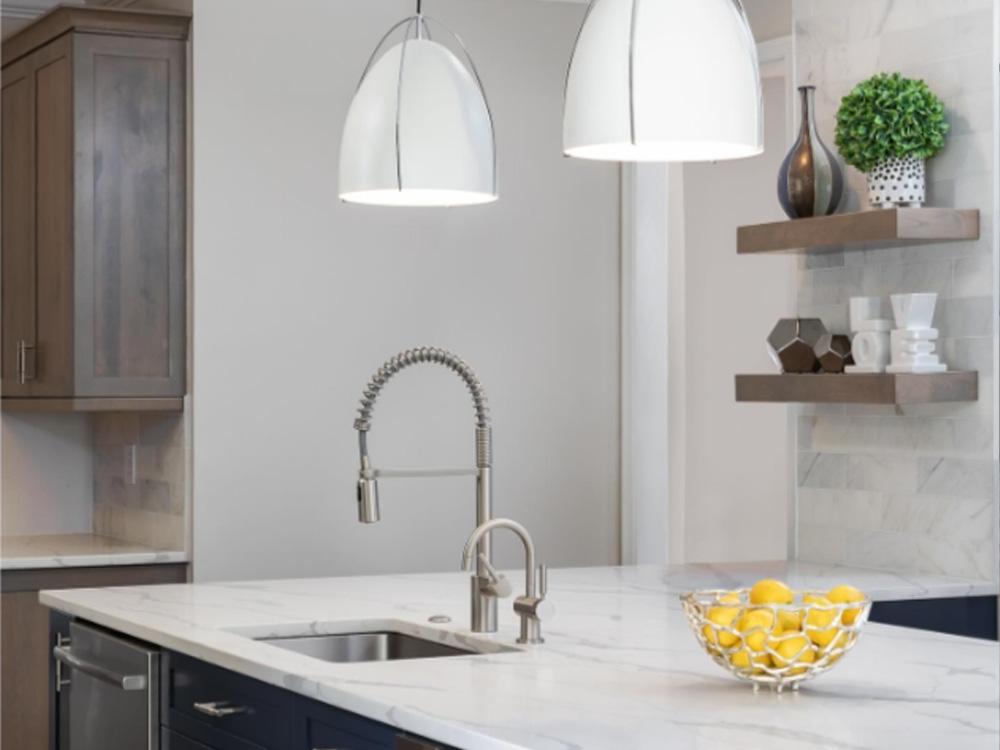
What You Actually Get With Quartzite
Most natural stone asks you to take care of it. Quartzite doesn’t.
It forms the same way marble does, compressed underground over time, but the mineral structure that comes out the other side is fused hard enough to rank above granite on the hardness scale. That’s not a marketing claim, it’s geology. A wine glass that sweats on the counter overnight, a kid who leaves a juice cup out, a pot set down a little too fast near the edge, none of it touches quartzite the way it touches marble.
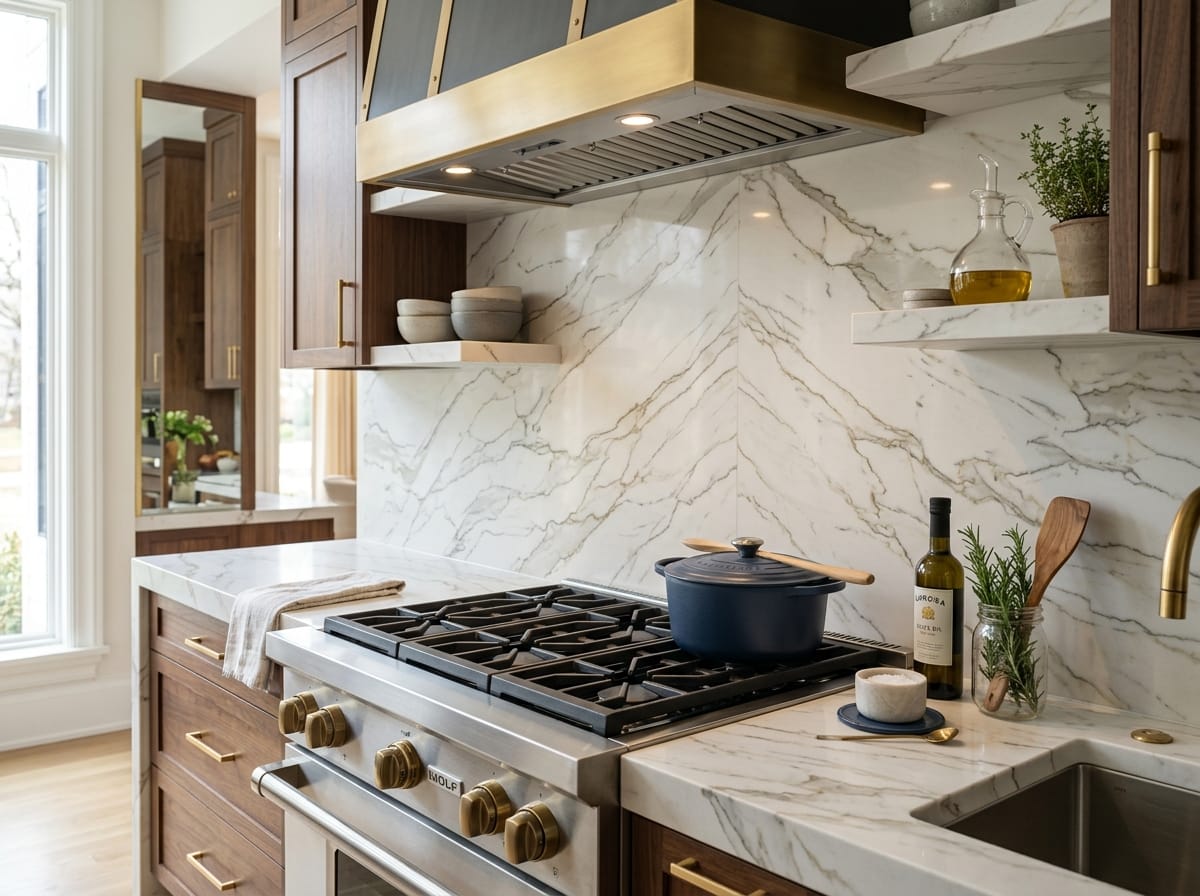
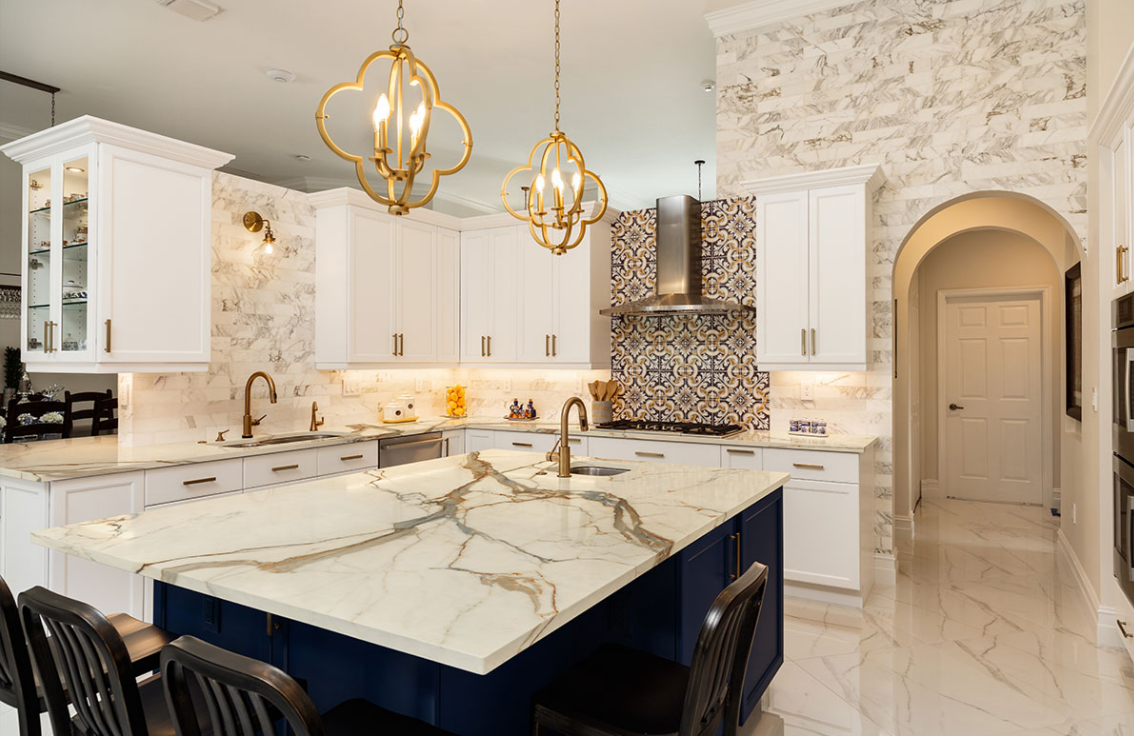
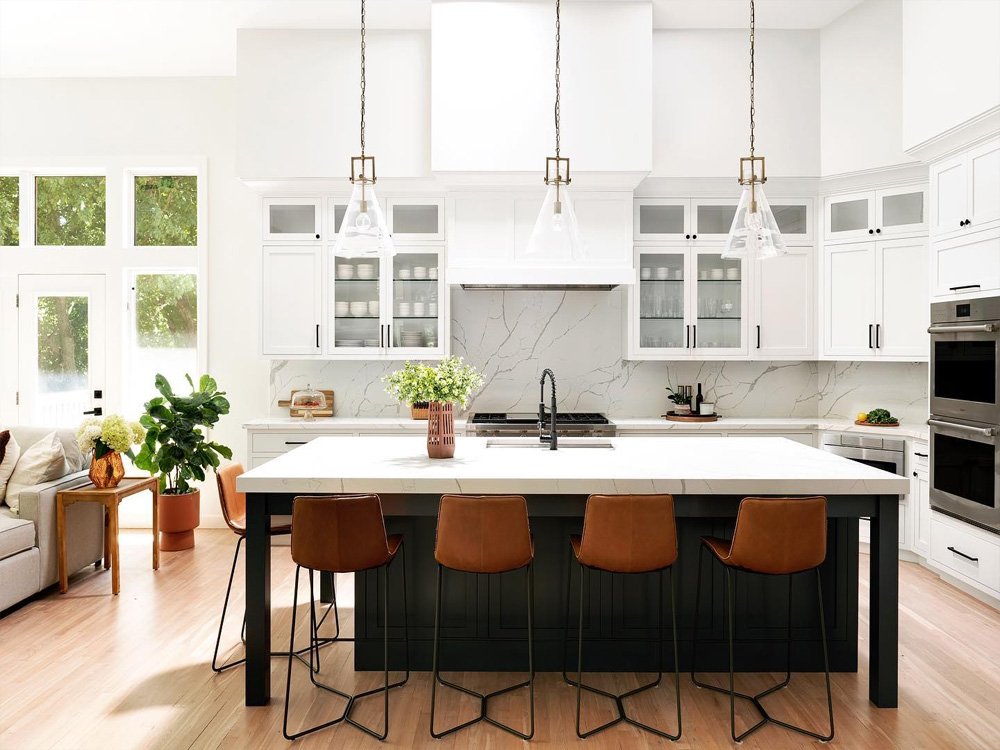
What makes it worth seeking out is that none of that toughness costs you the look. Quartzite quarries out with the same pale fields and soft veining people fall in love with in marble, because it started as sedimentary stone before heat and pressure changed what it could take. You get the slab you actually wanted, minus the part where you have to baby it.
It runs higher than granite, since true quartzite is harder to quarry and harder to cut, and that cost is real. But it’s a one time cost against a surface that won’t need babying, resealing on edge, or replacing in a decade. For a kitchen that actually gets cooked in, that’s the trade most people are glad they made.
Al Jory Marble stocks full quartzite slabs and fabricates every one in our own Crestwood shop. Come see them in person, the depth in this stone doesn’t come through in a photo.


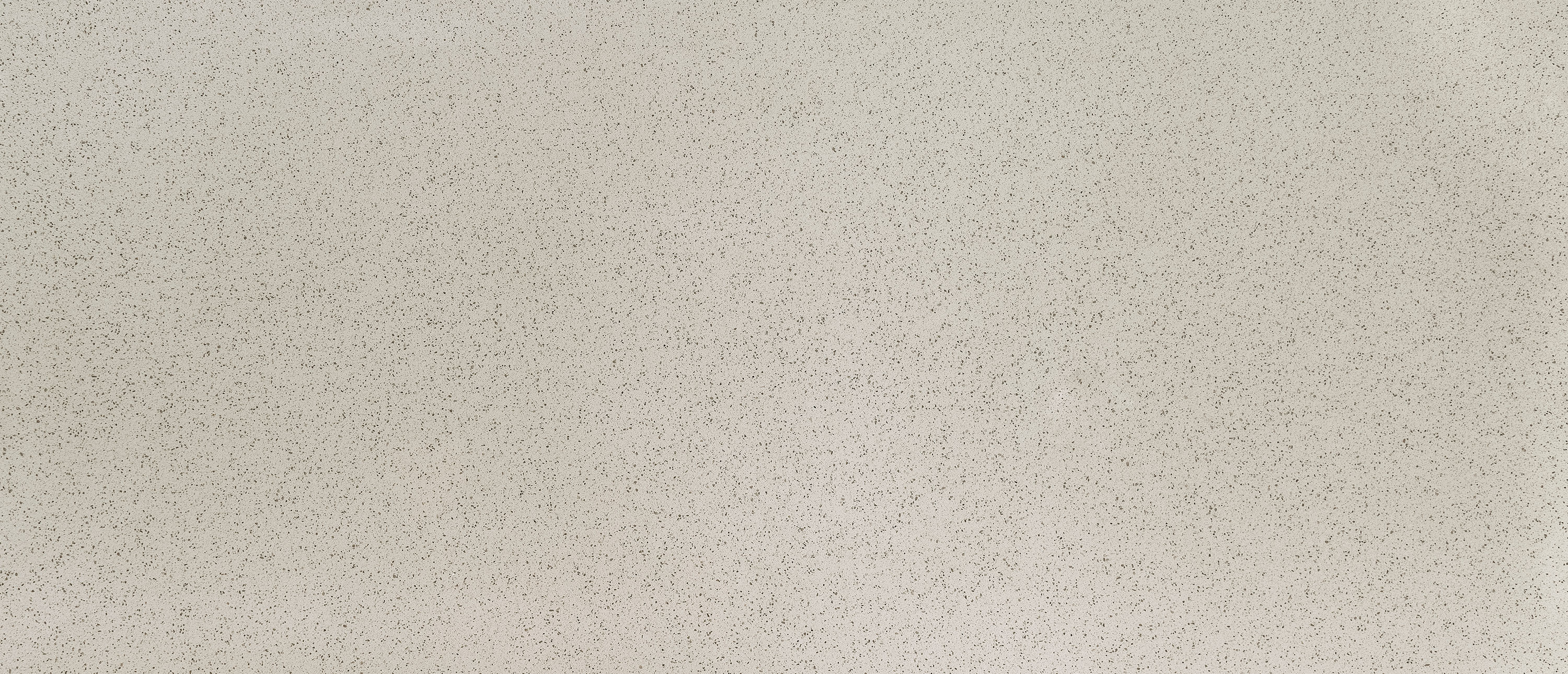
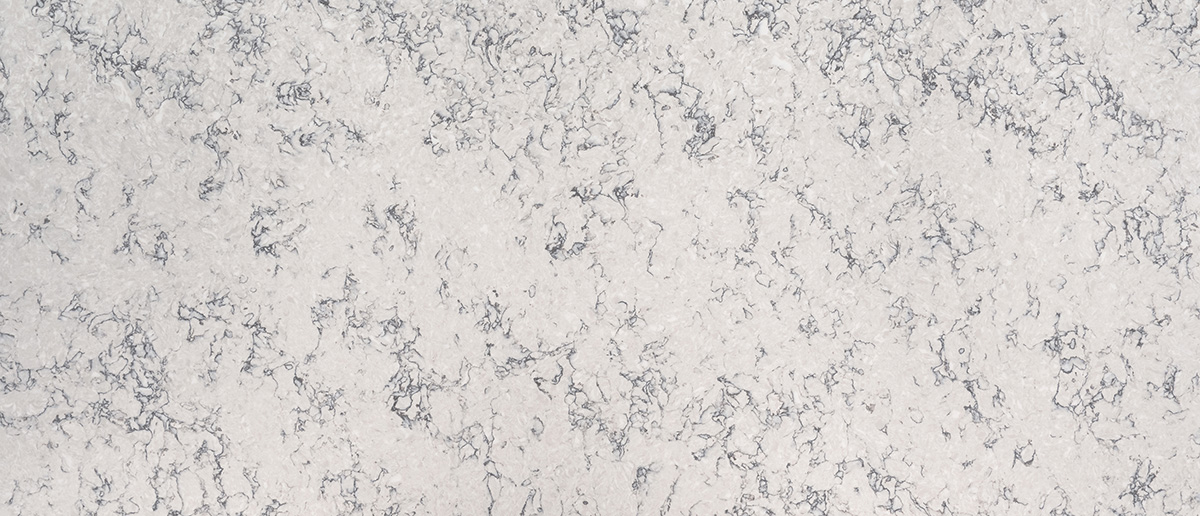
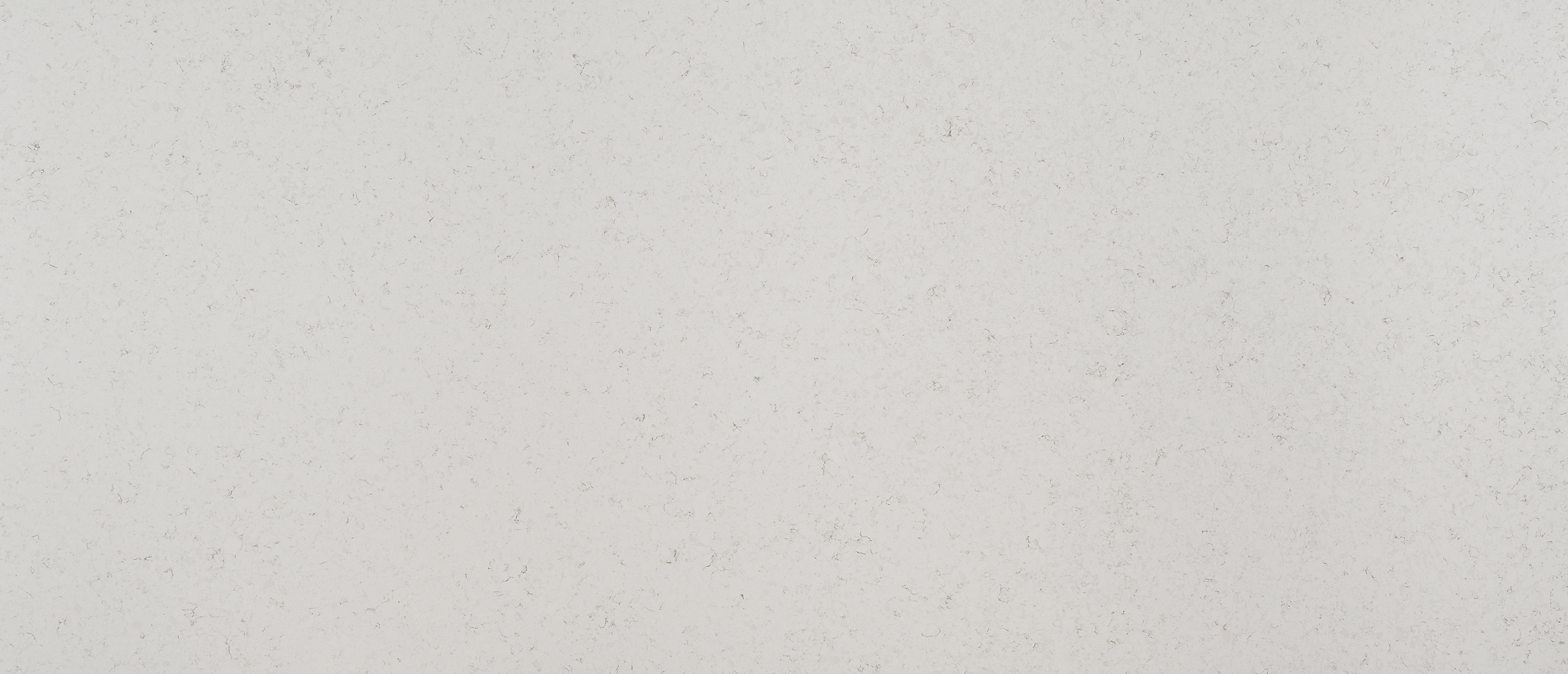
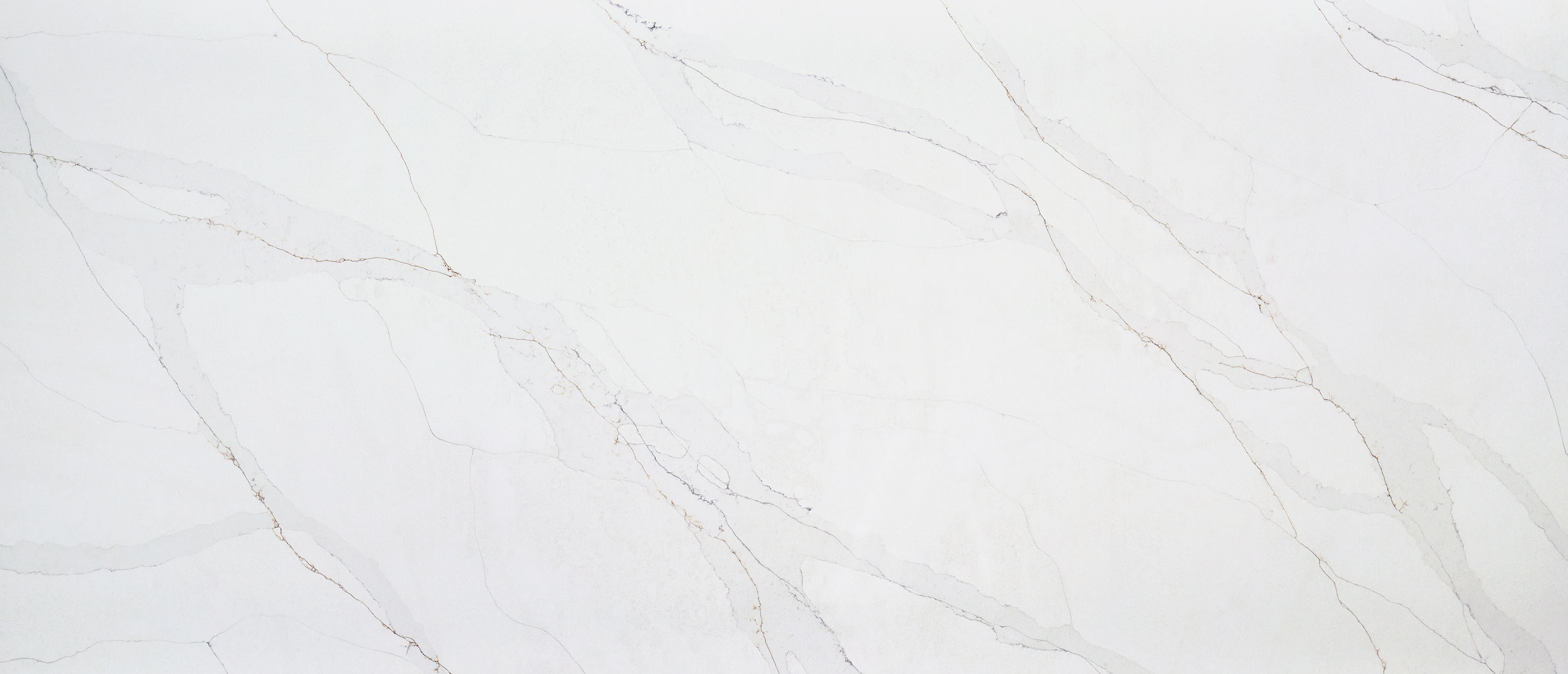
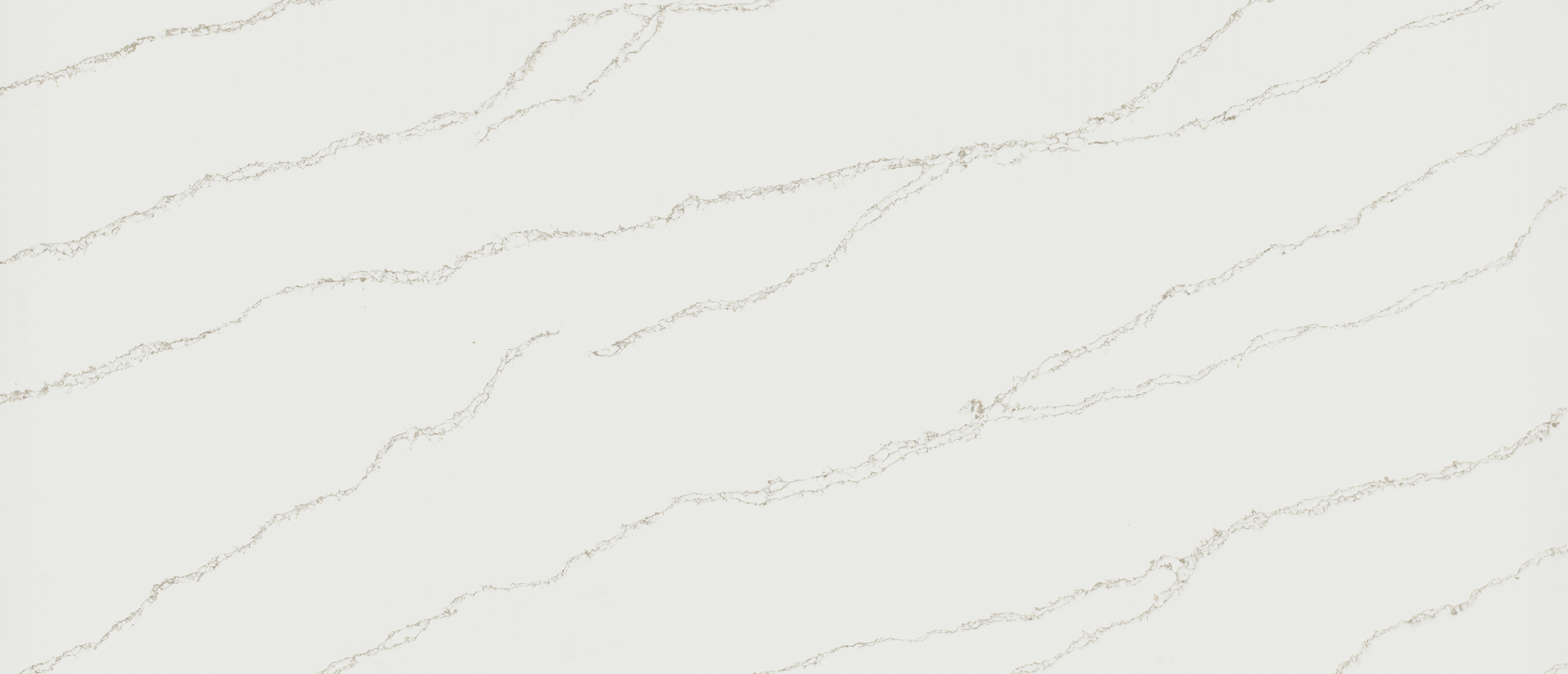
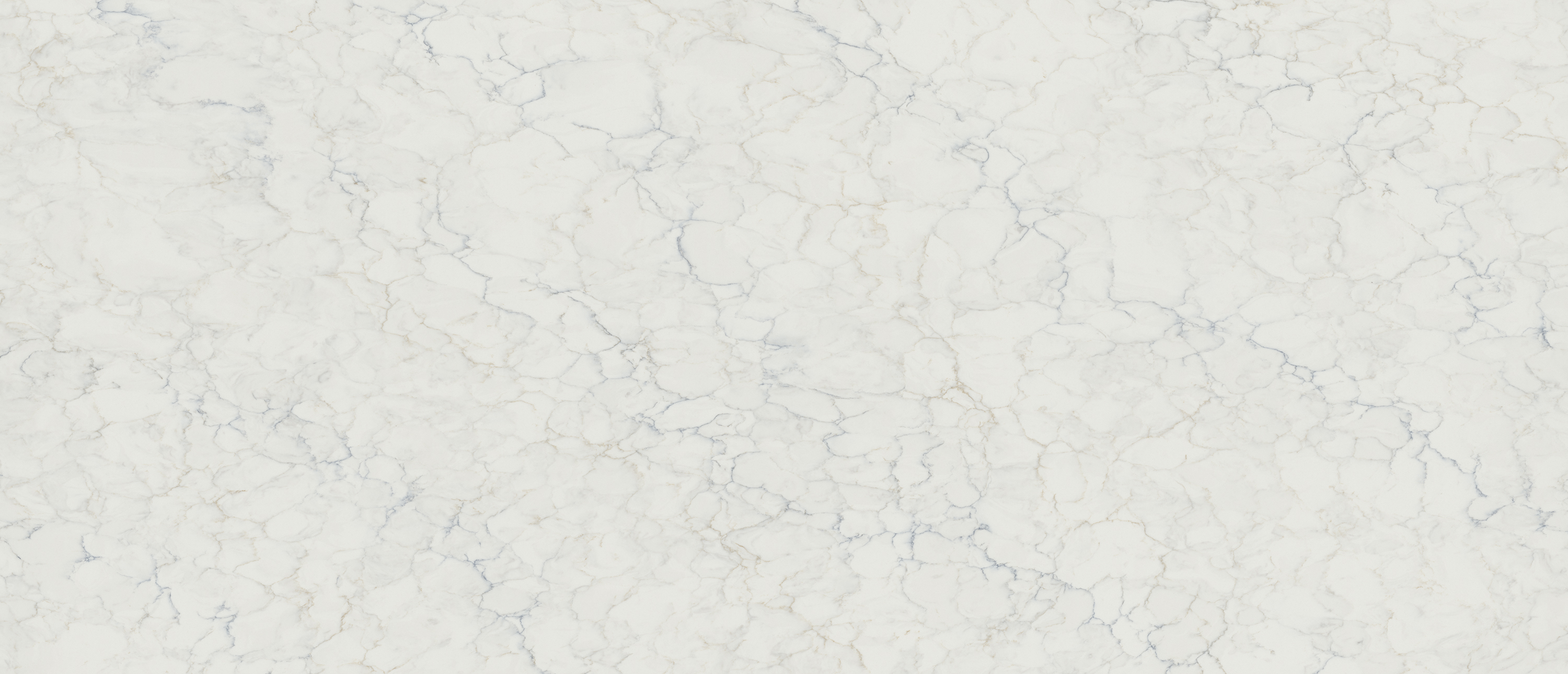
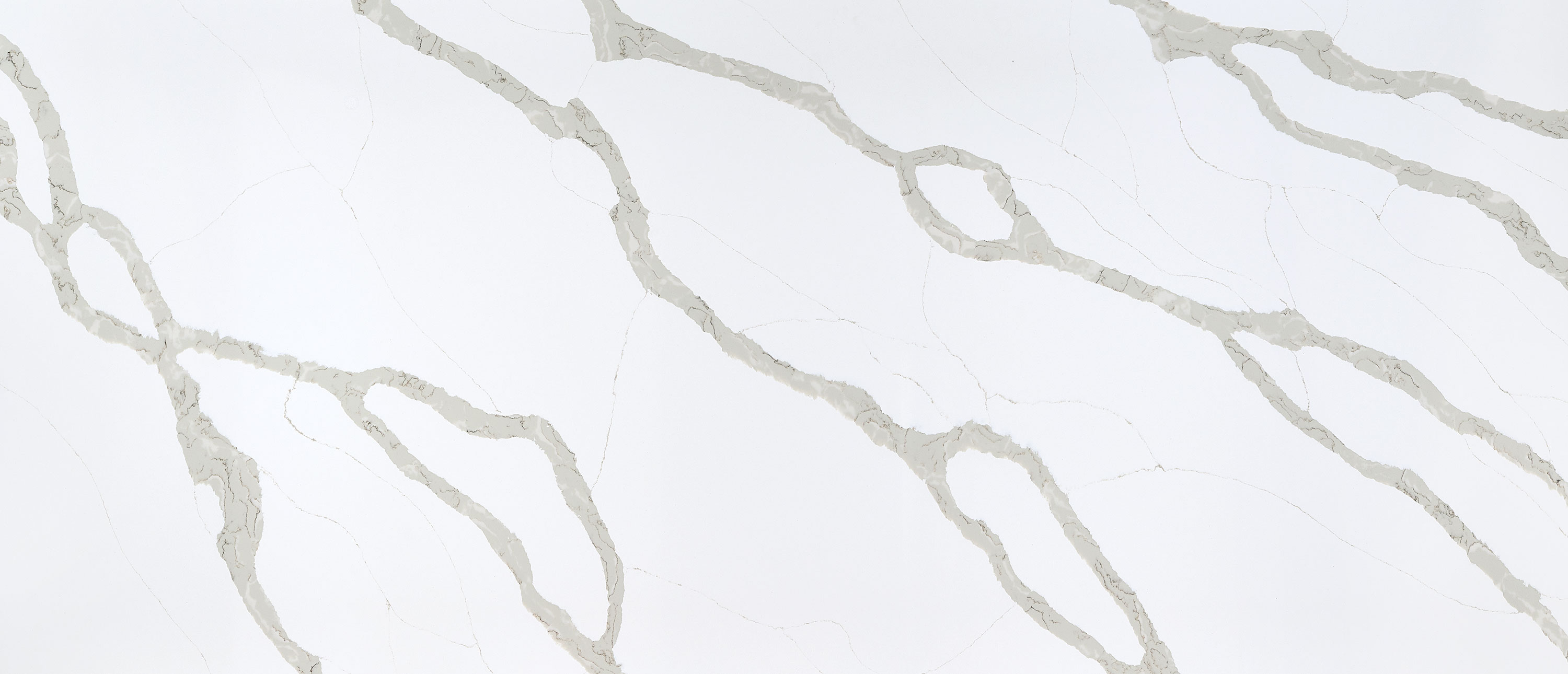

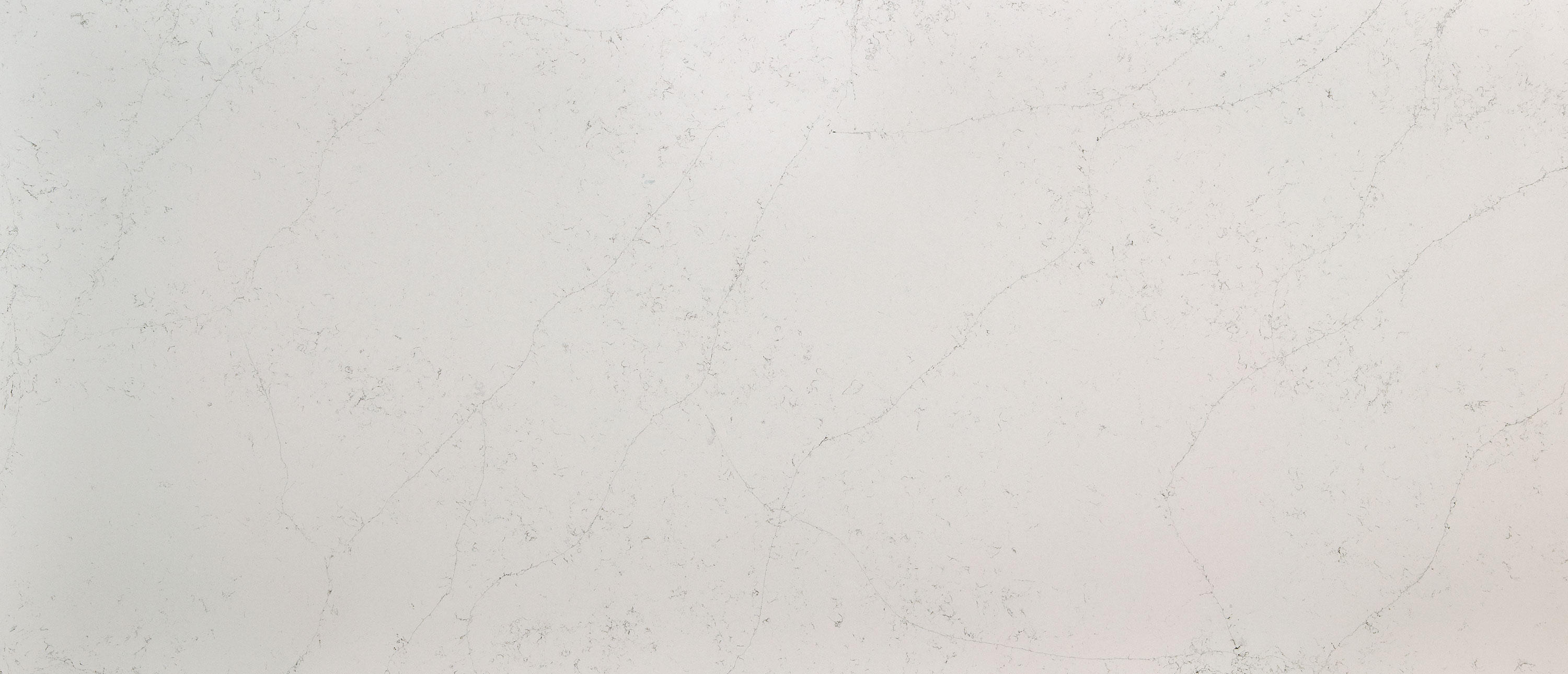
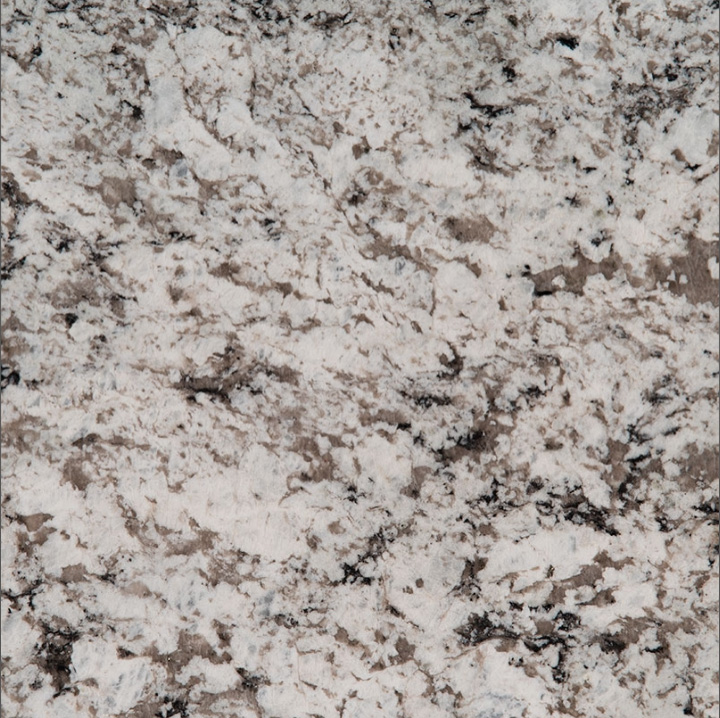
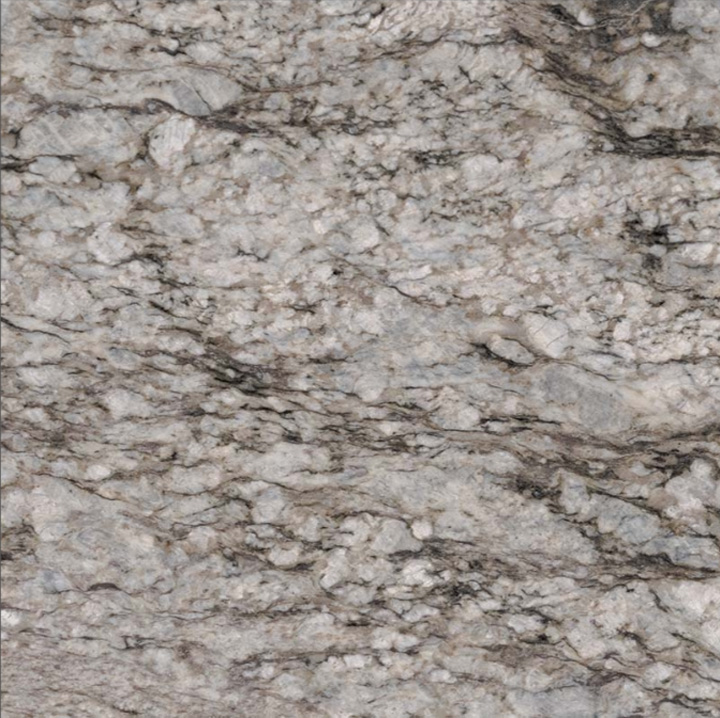
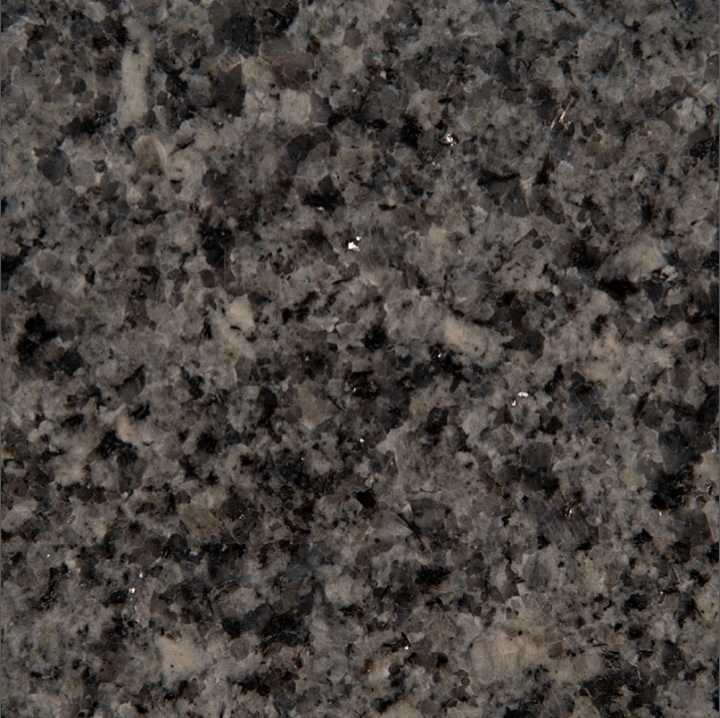
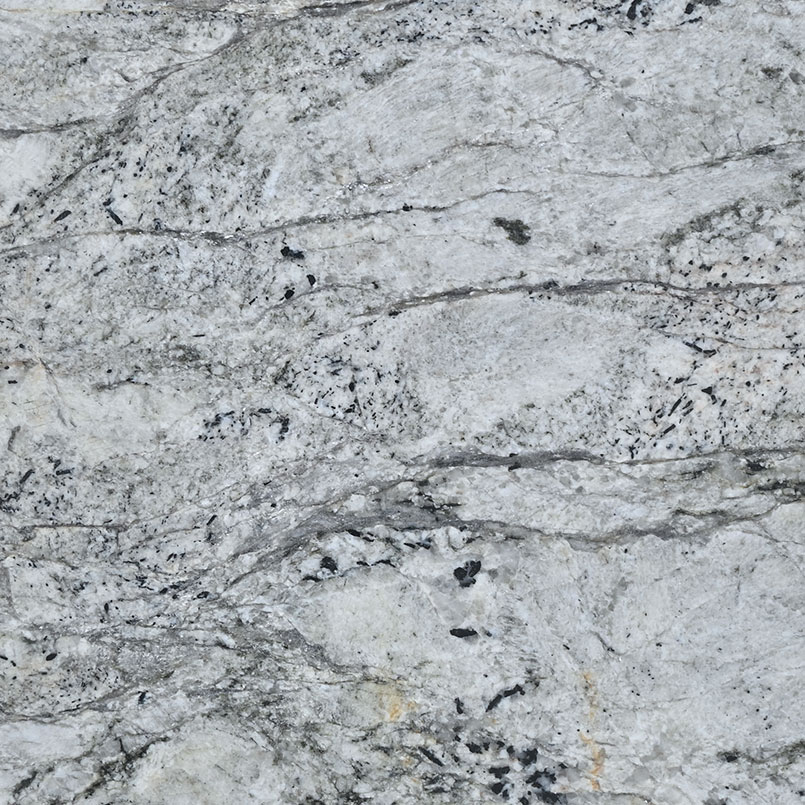
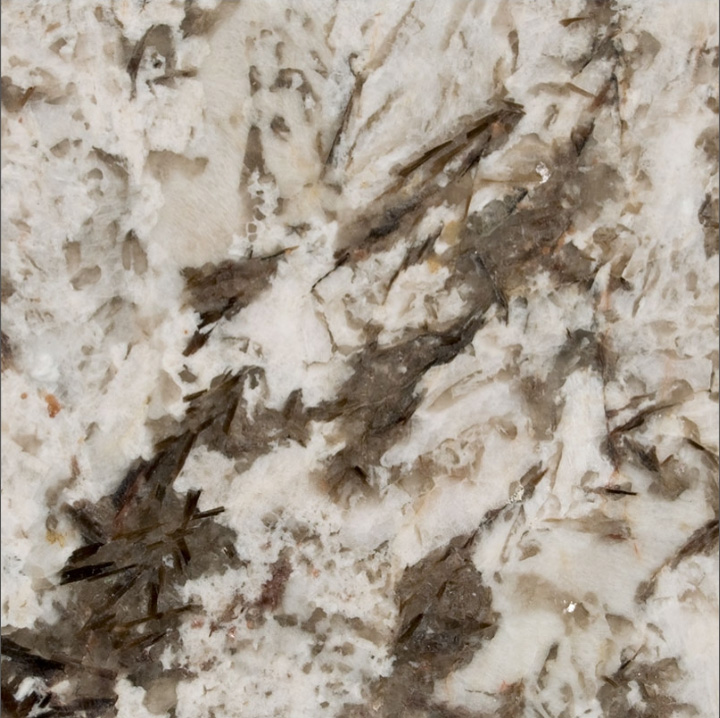
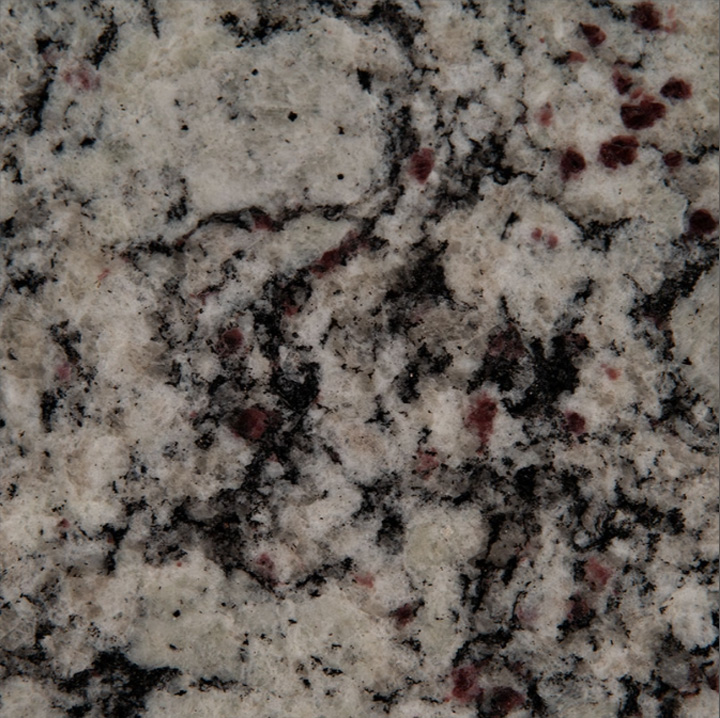
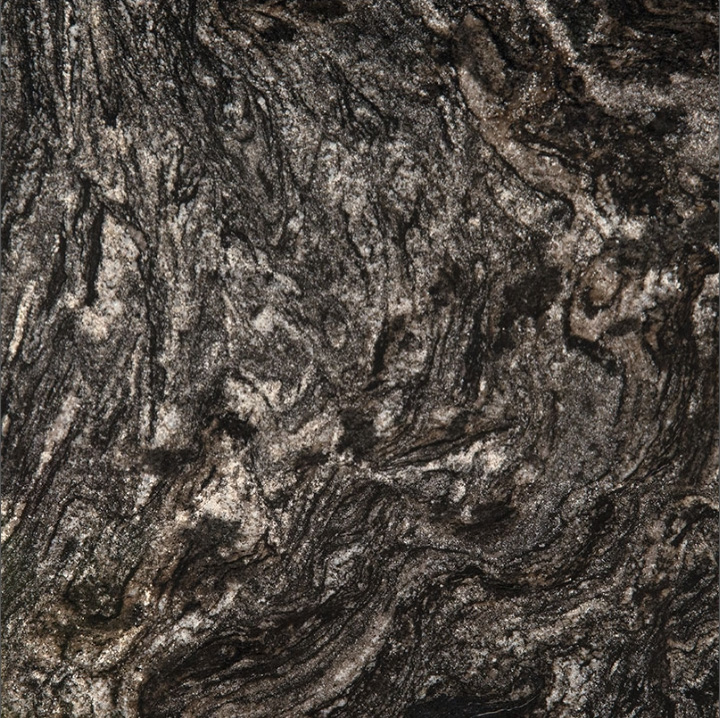
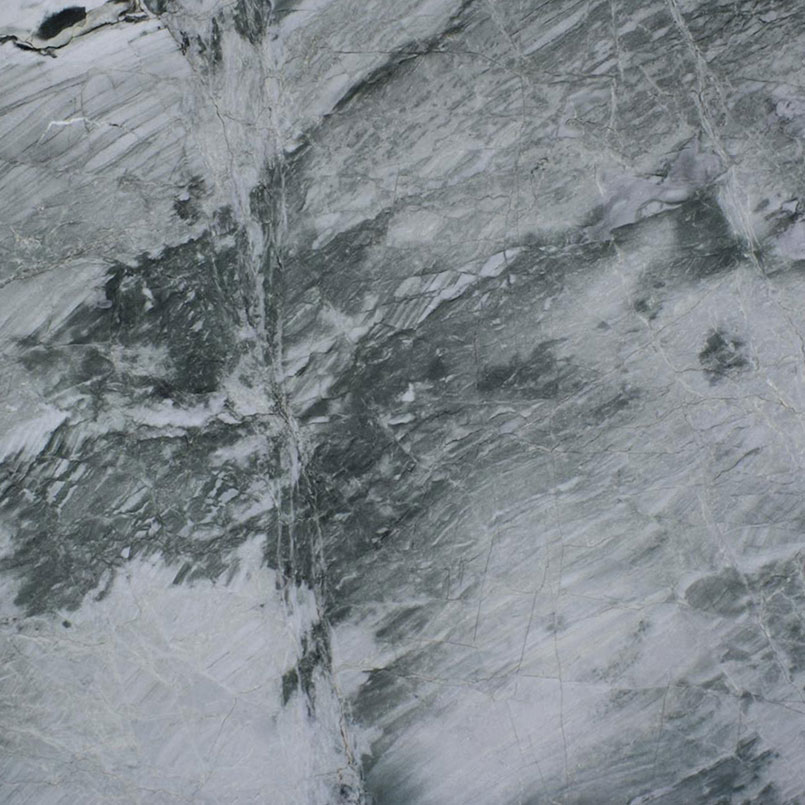
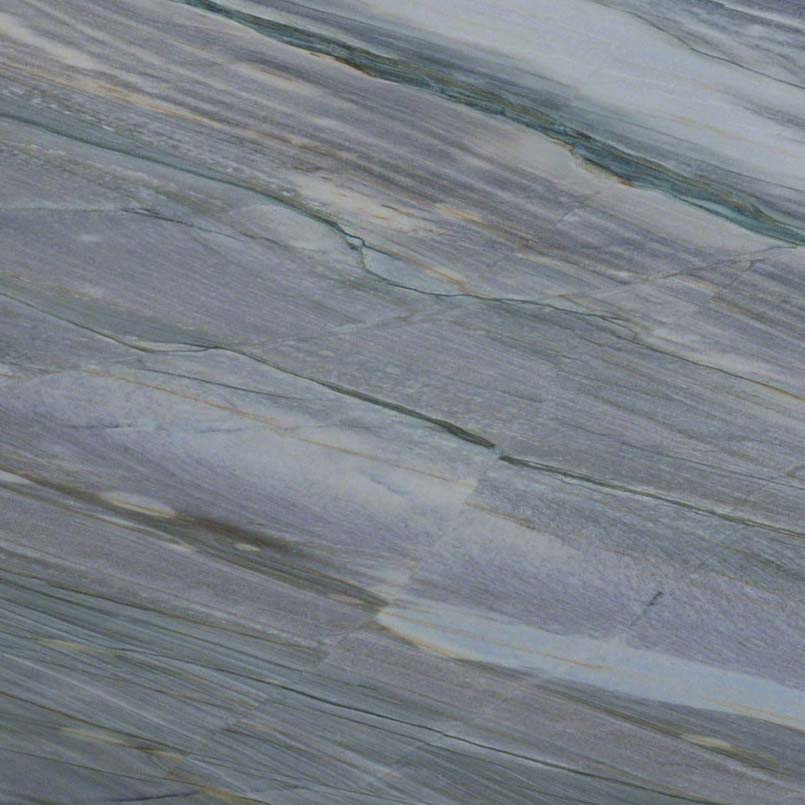
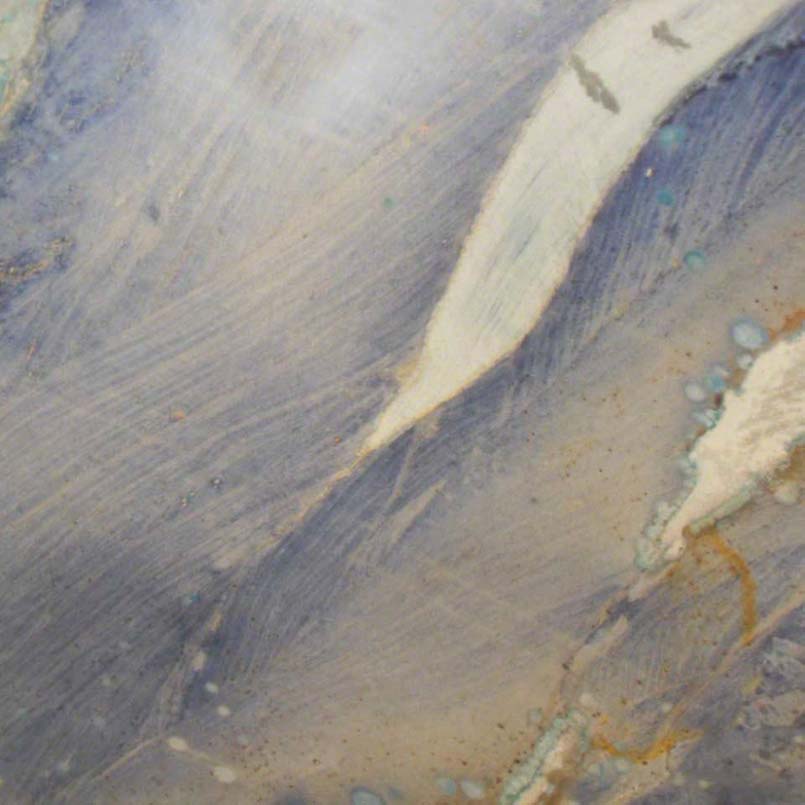
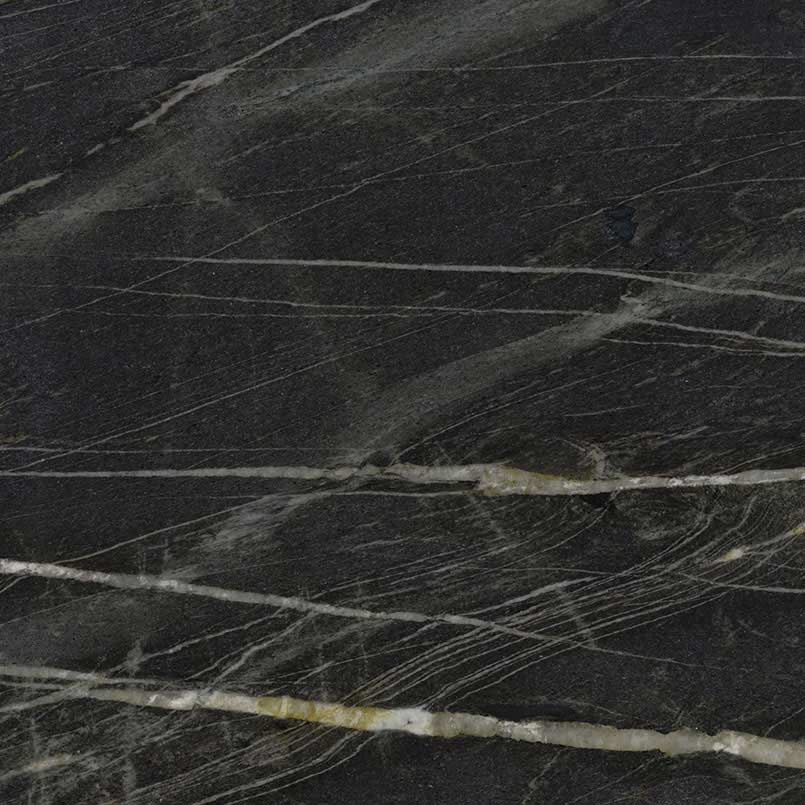

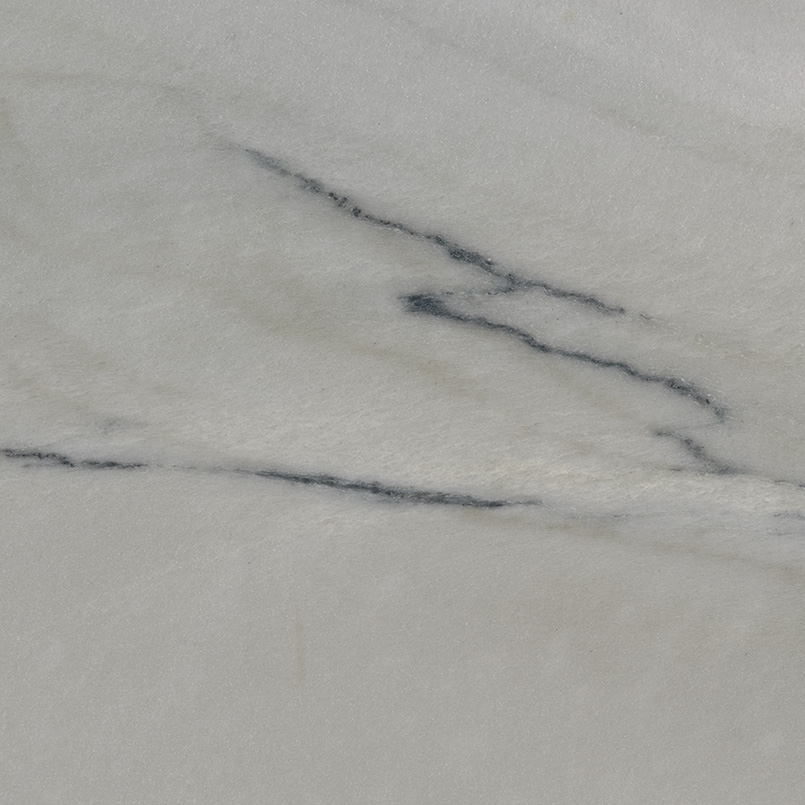
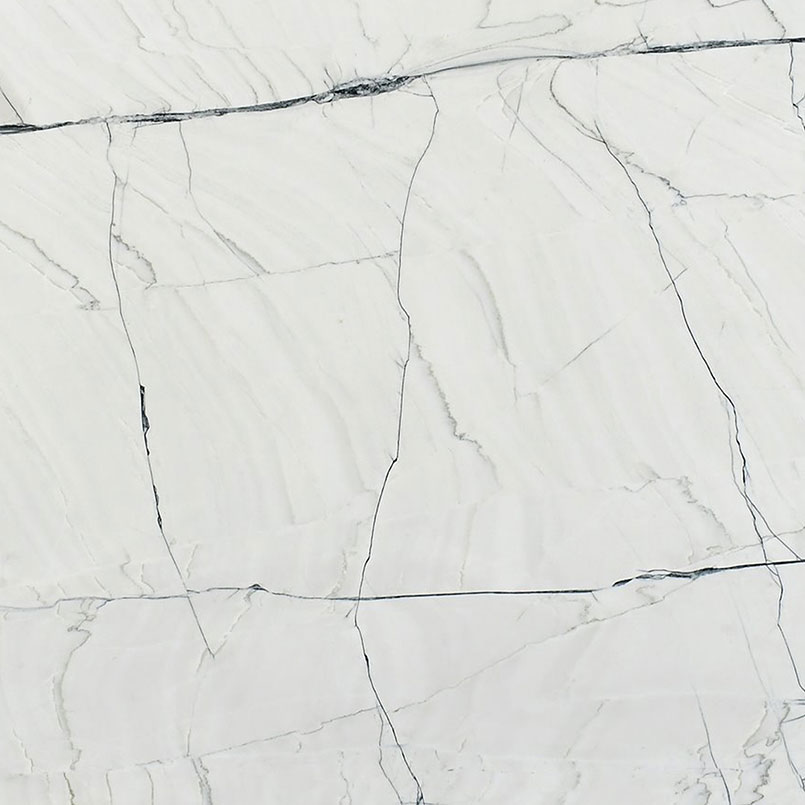
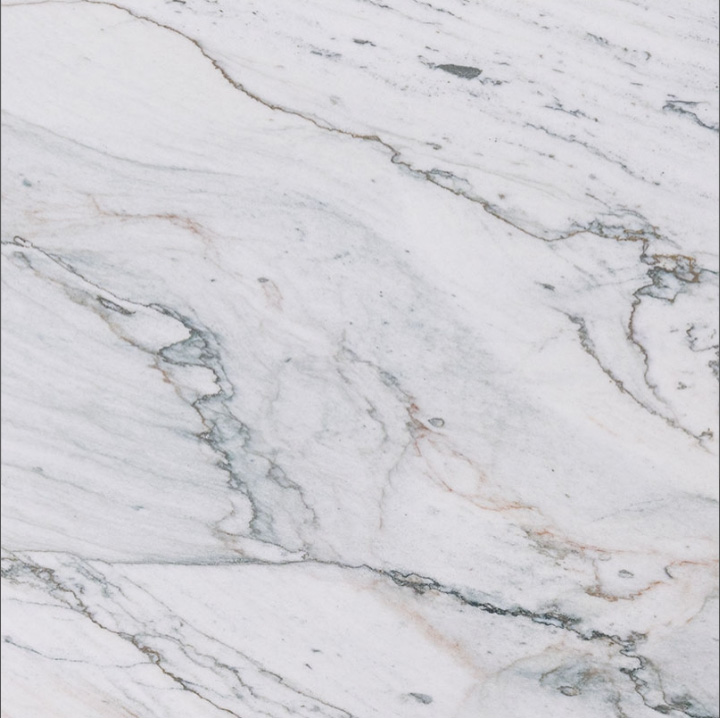
What Your Quartzite Countertop Actually Costs
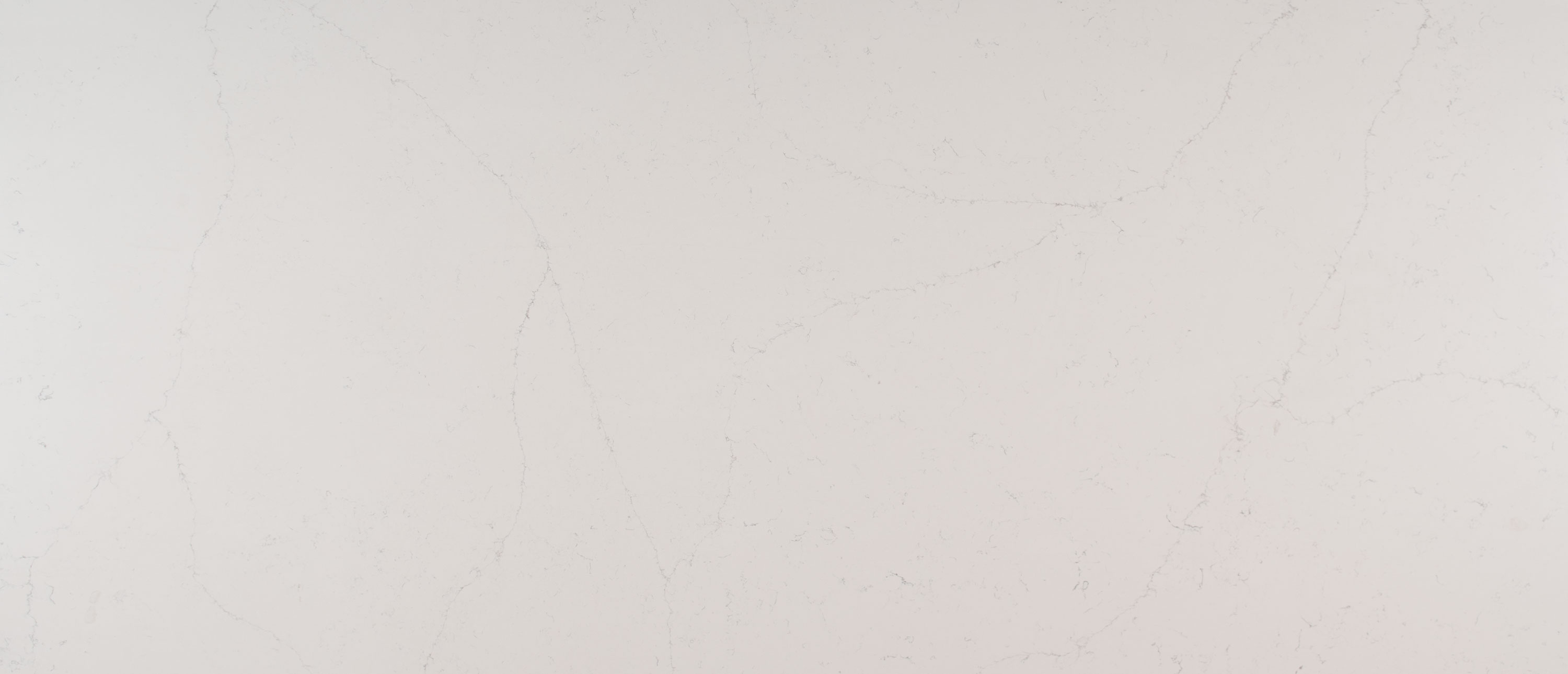
Quartzite runs higher than granite, and we’d rather tell you that before you fall for a slab than after. The number depends on which block it came from, since true quartzite is harder to quarry than almost anything else in the yard. Walk it with us, point at the slab you actually want, and we will hand you a written number covering fabrication, edge profile, cutouts, and installation before you commit to anything.
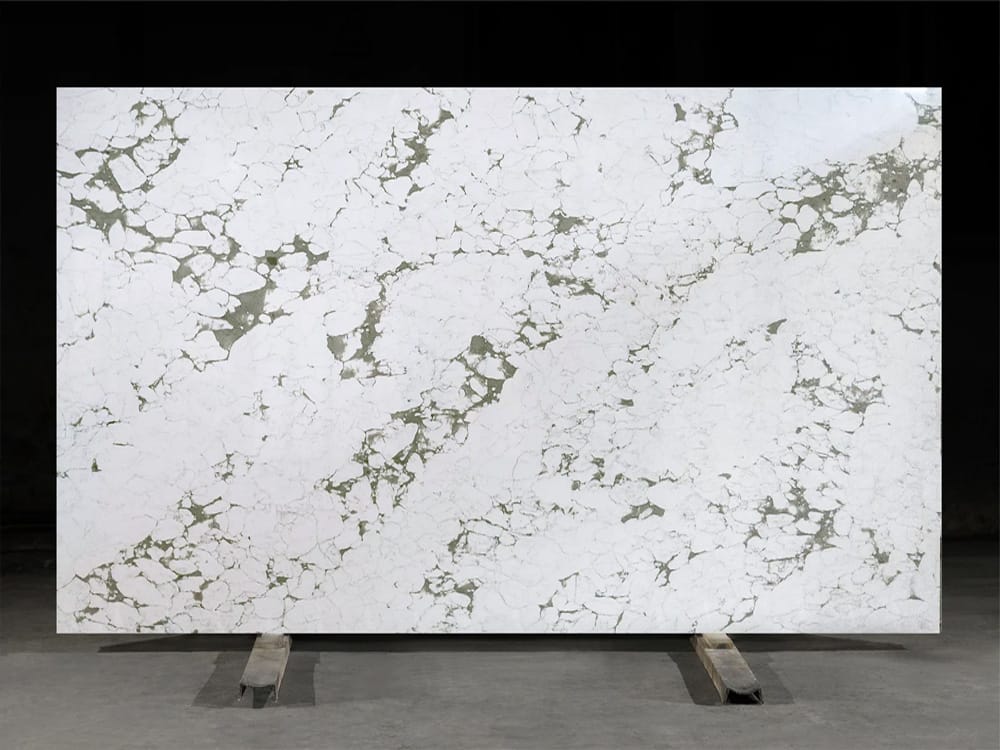
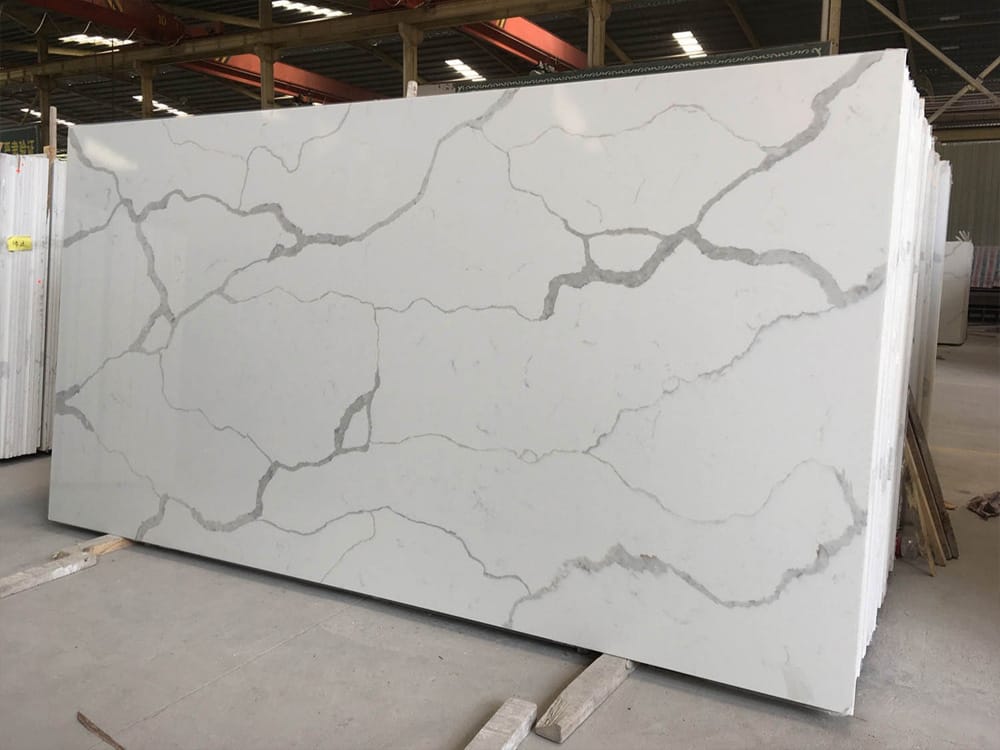
Quartzite Countertops We Fabricate & Install
Quartzite inventory moves, so what is in the yard changes. These are the varieties we are asked for most and fabricate most often.
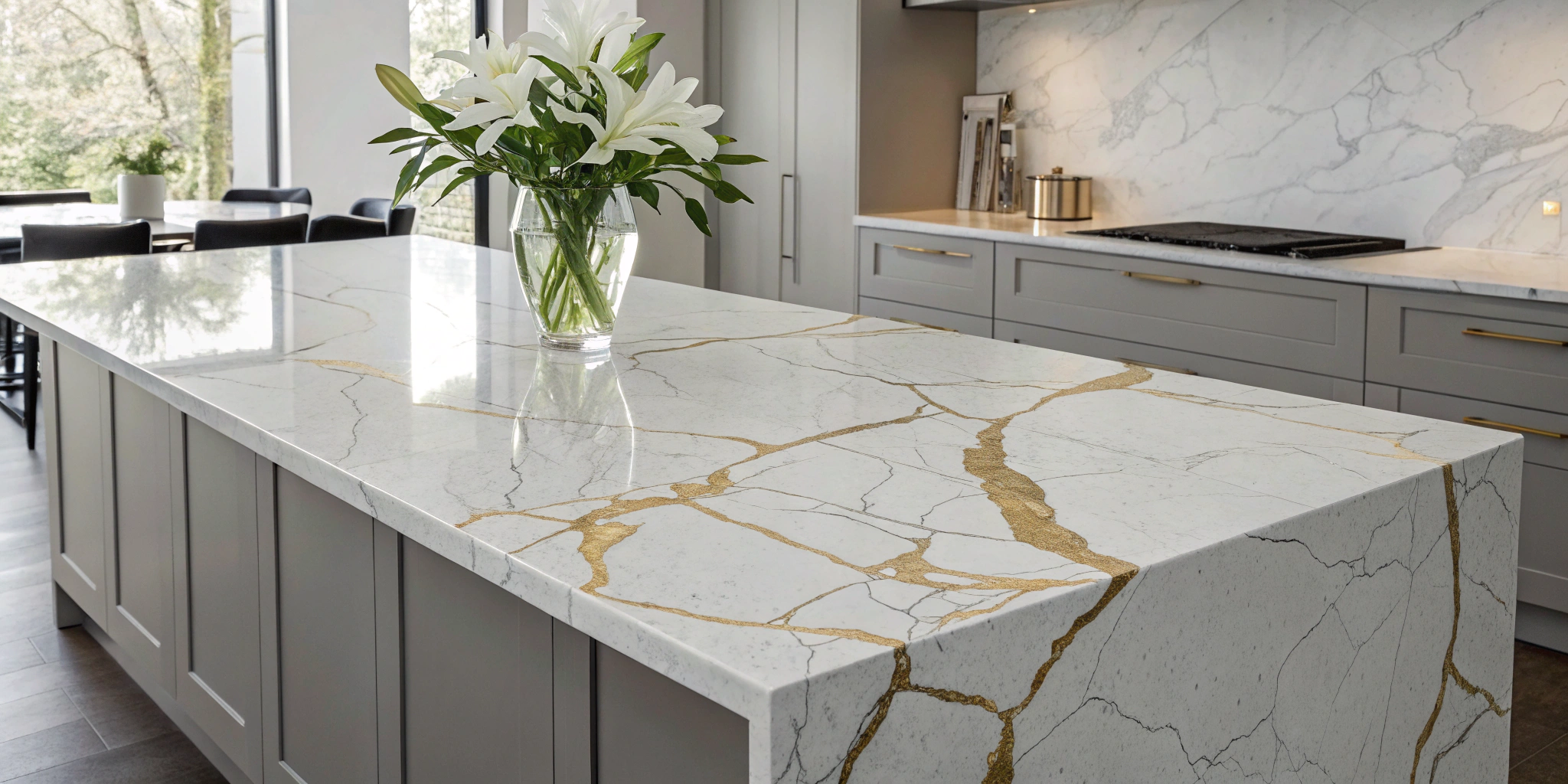
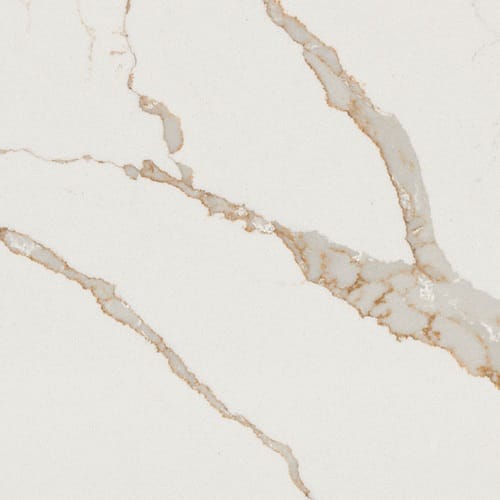
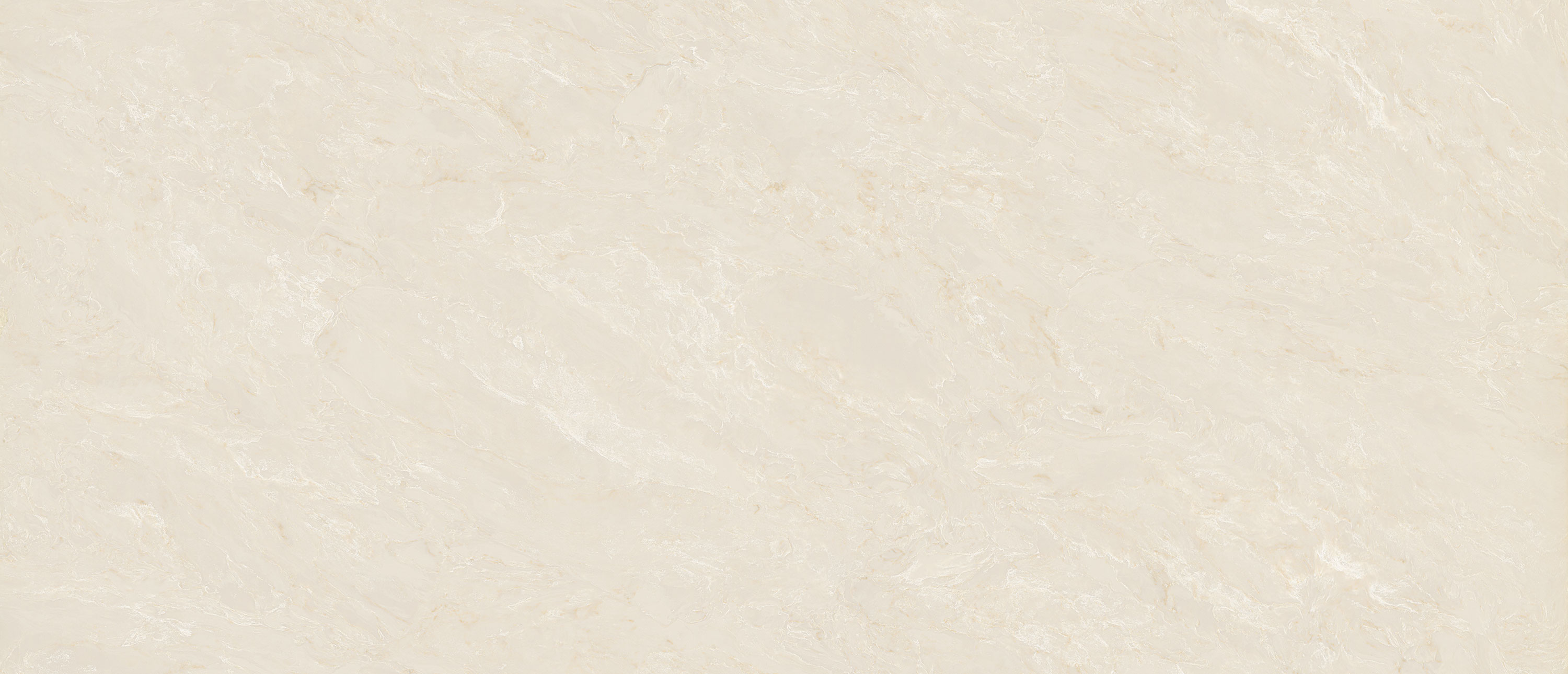
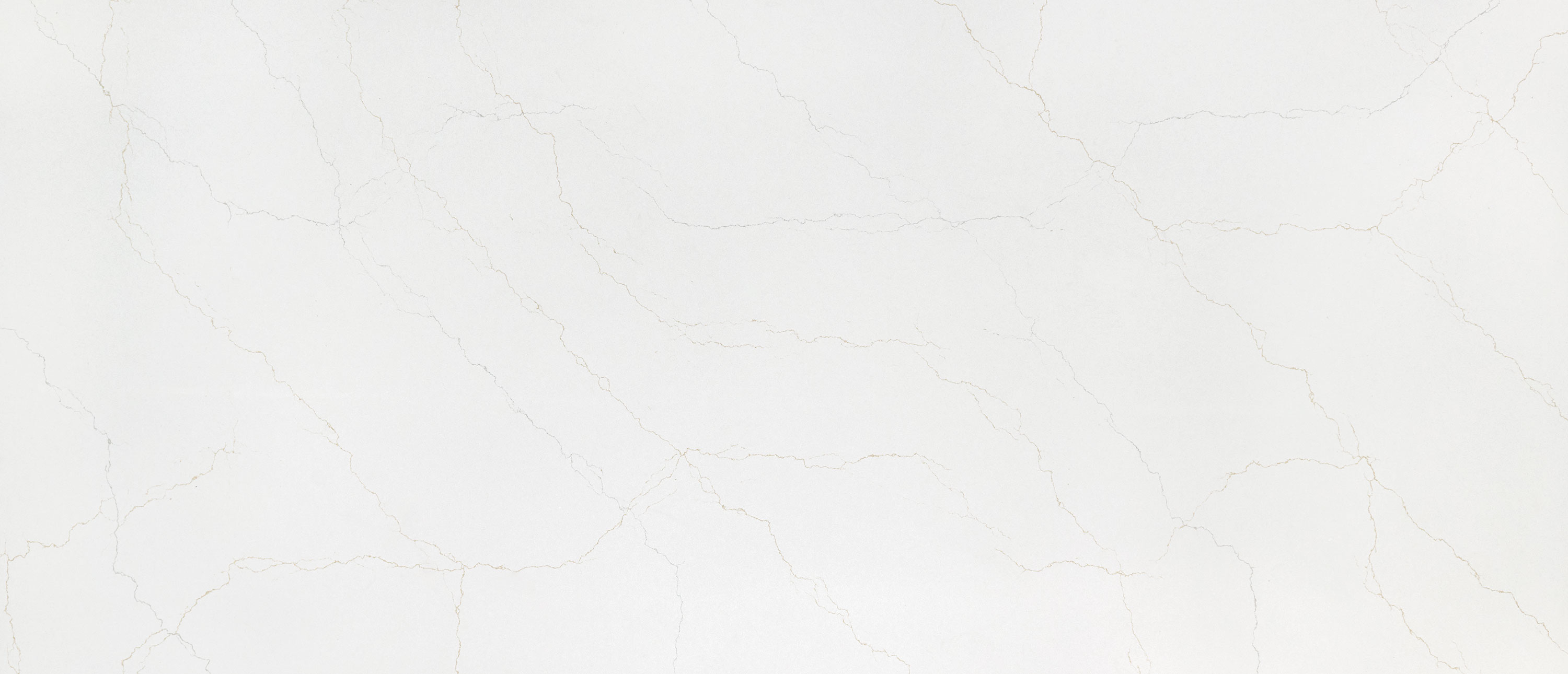
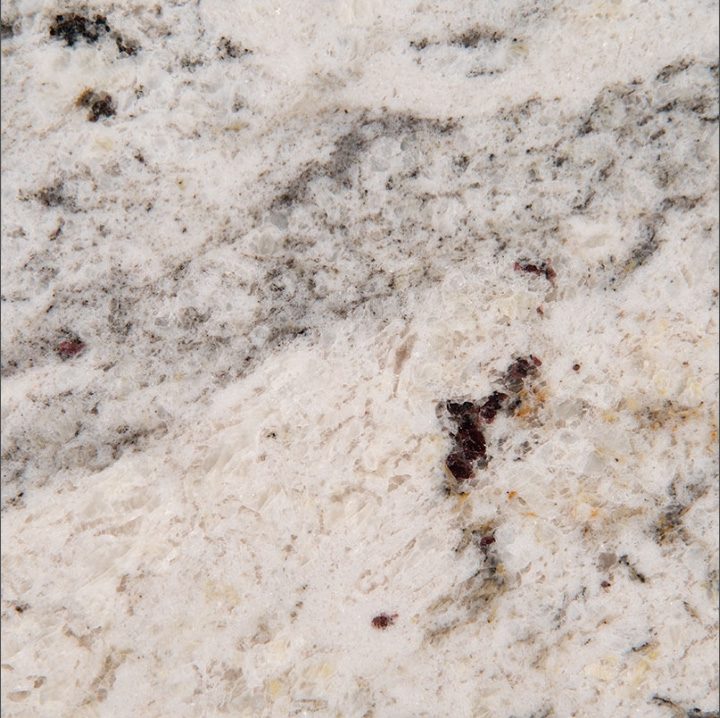
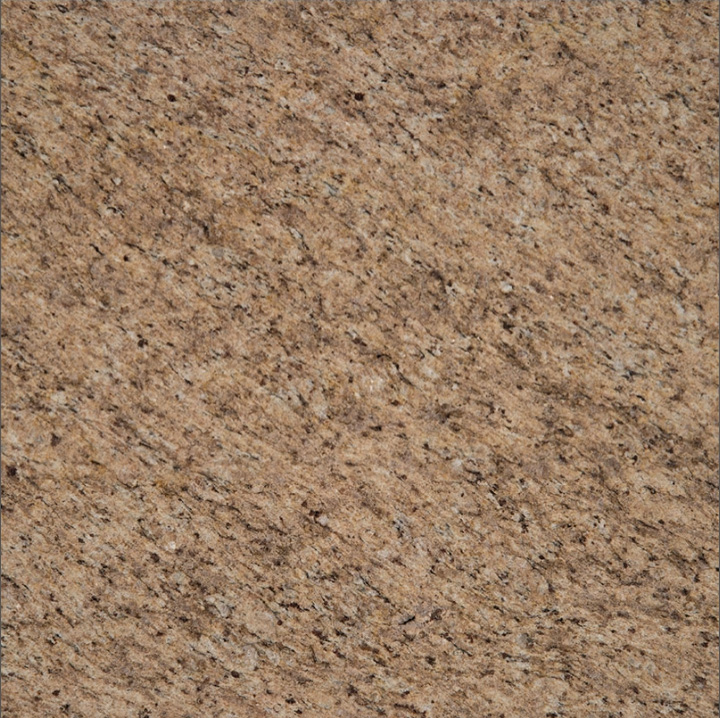
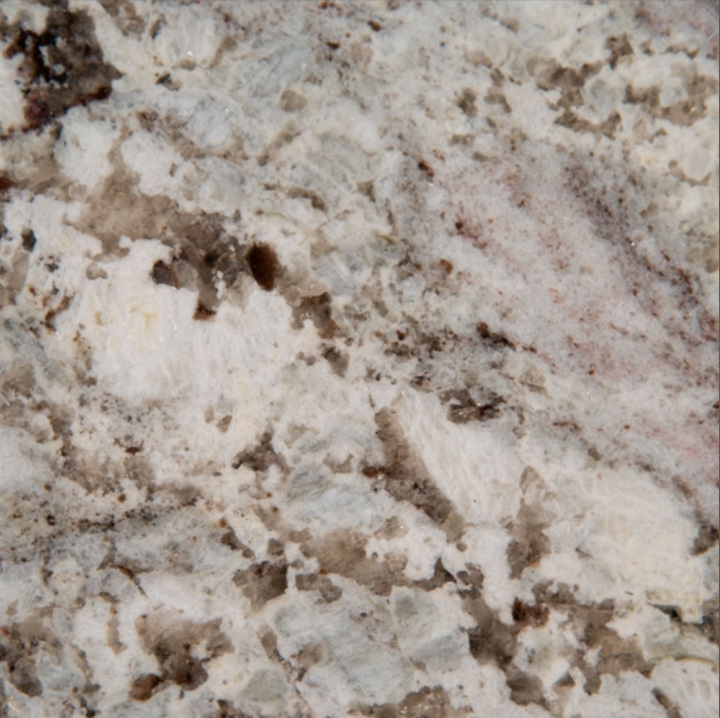
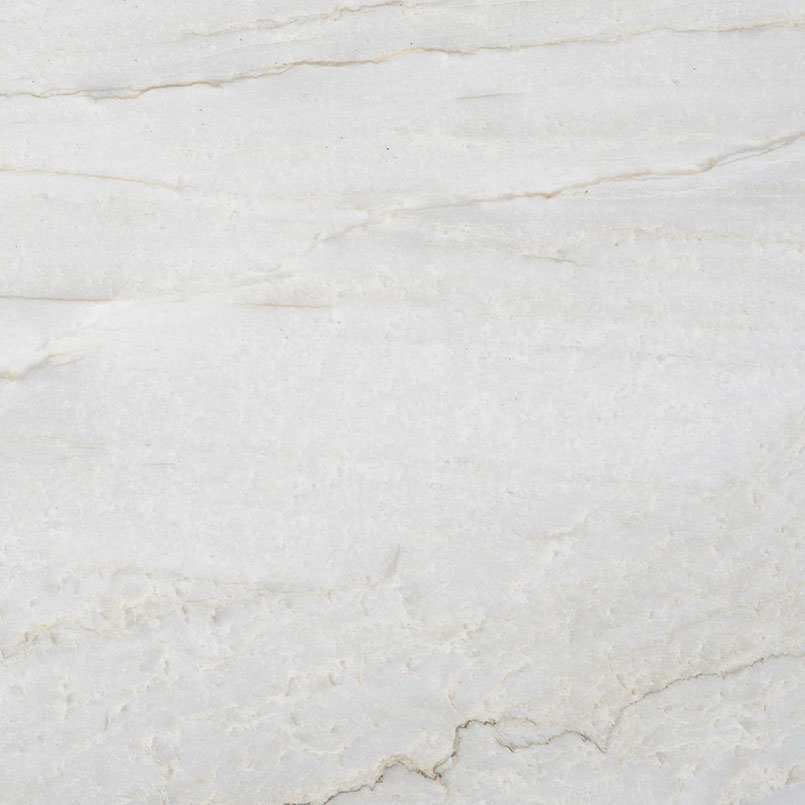
- Taj Mahal. Warm gold veining on a white background. The single most requested quartzite variety in the market, and the one most people mean when they ask for “the marble that doesn’t etch.”
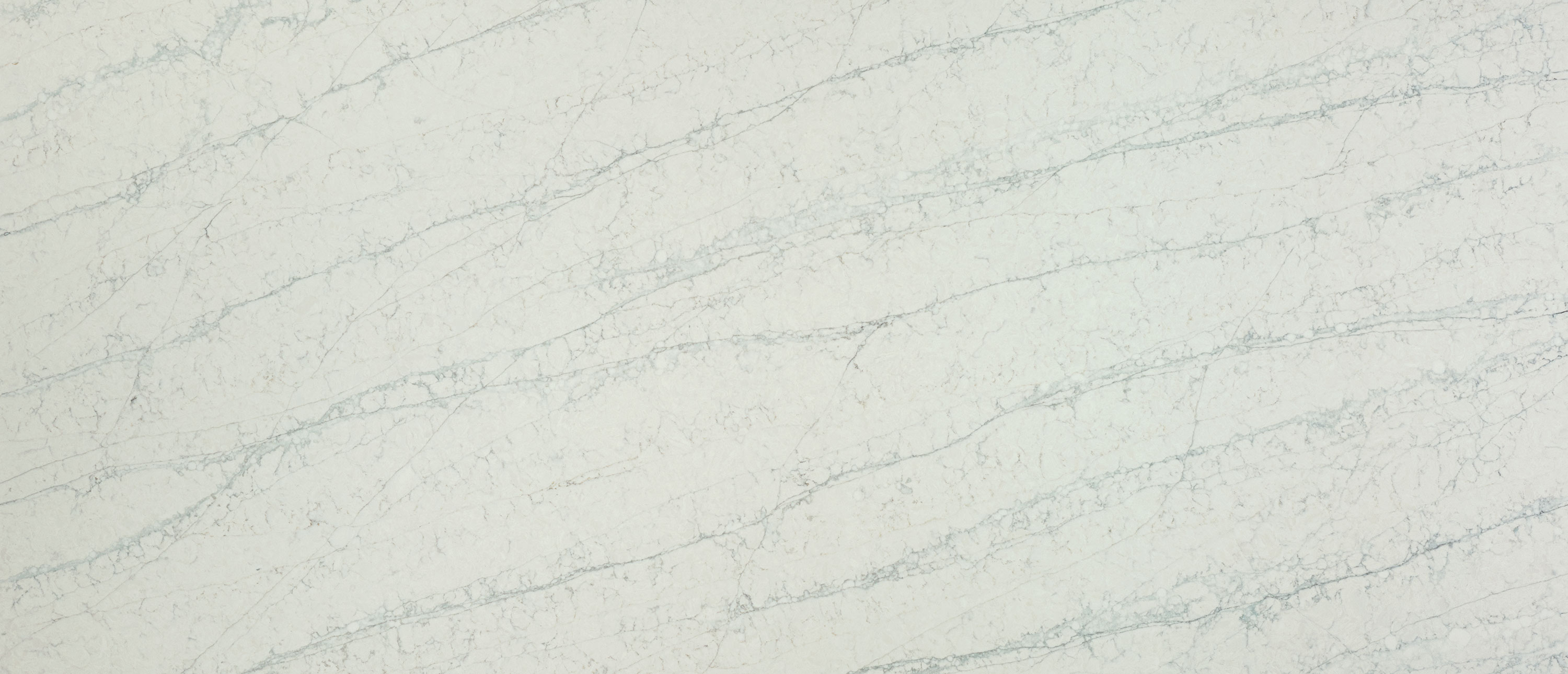
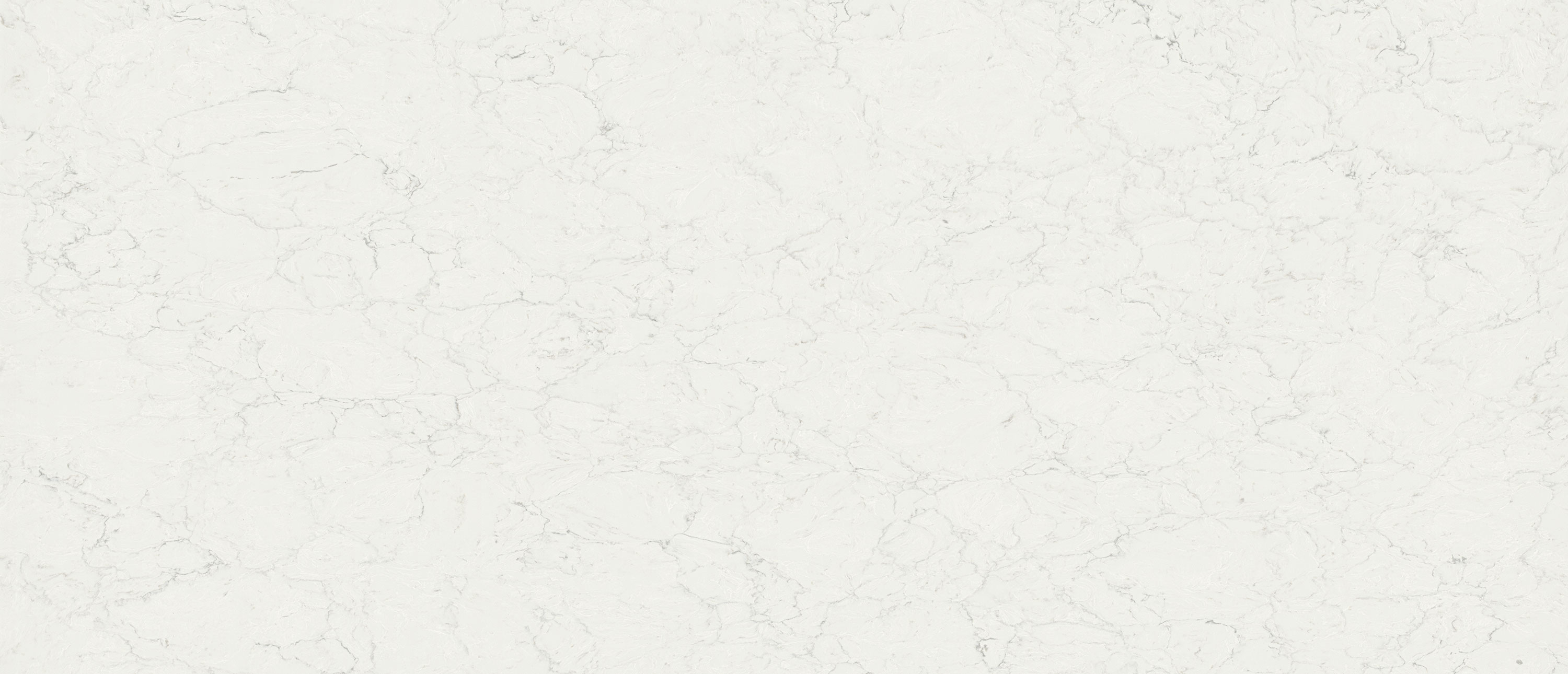
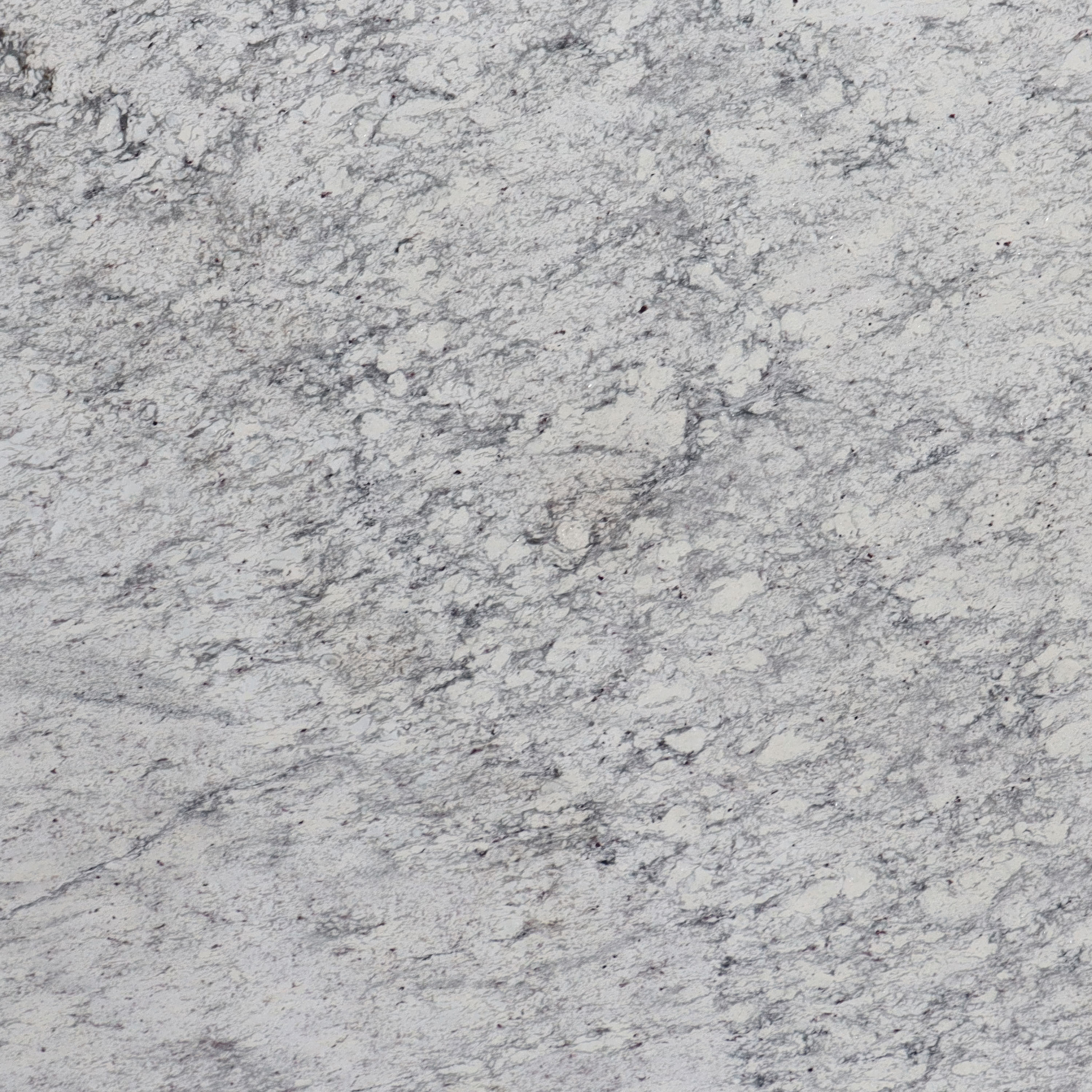
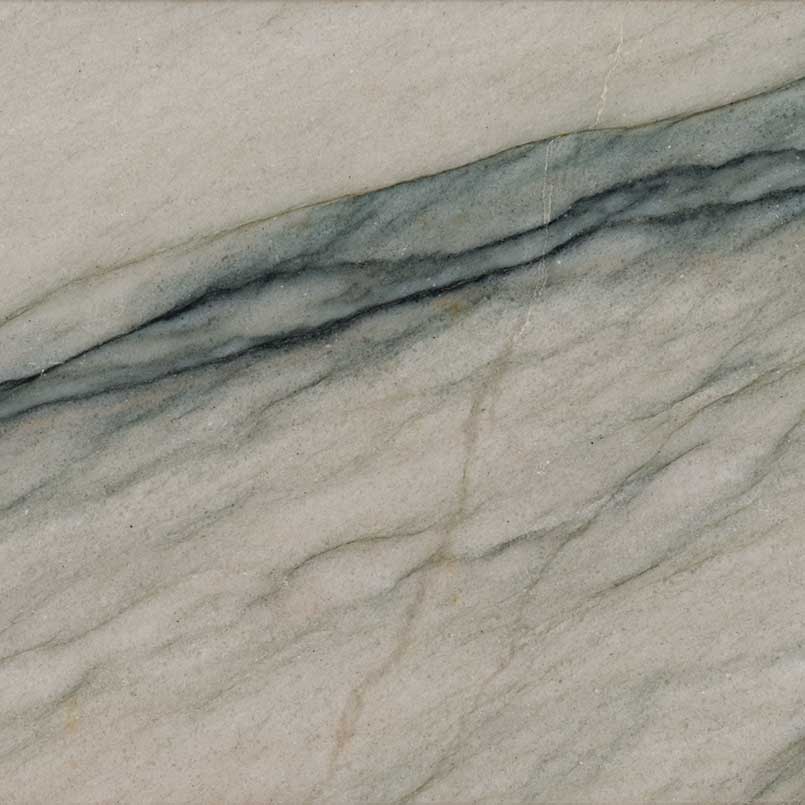
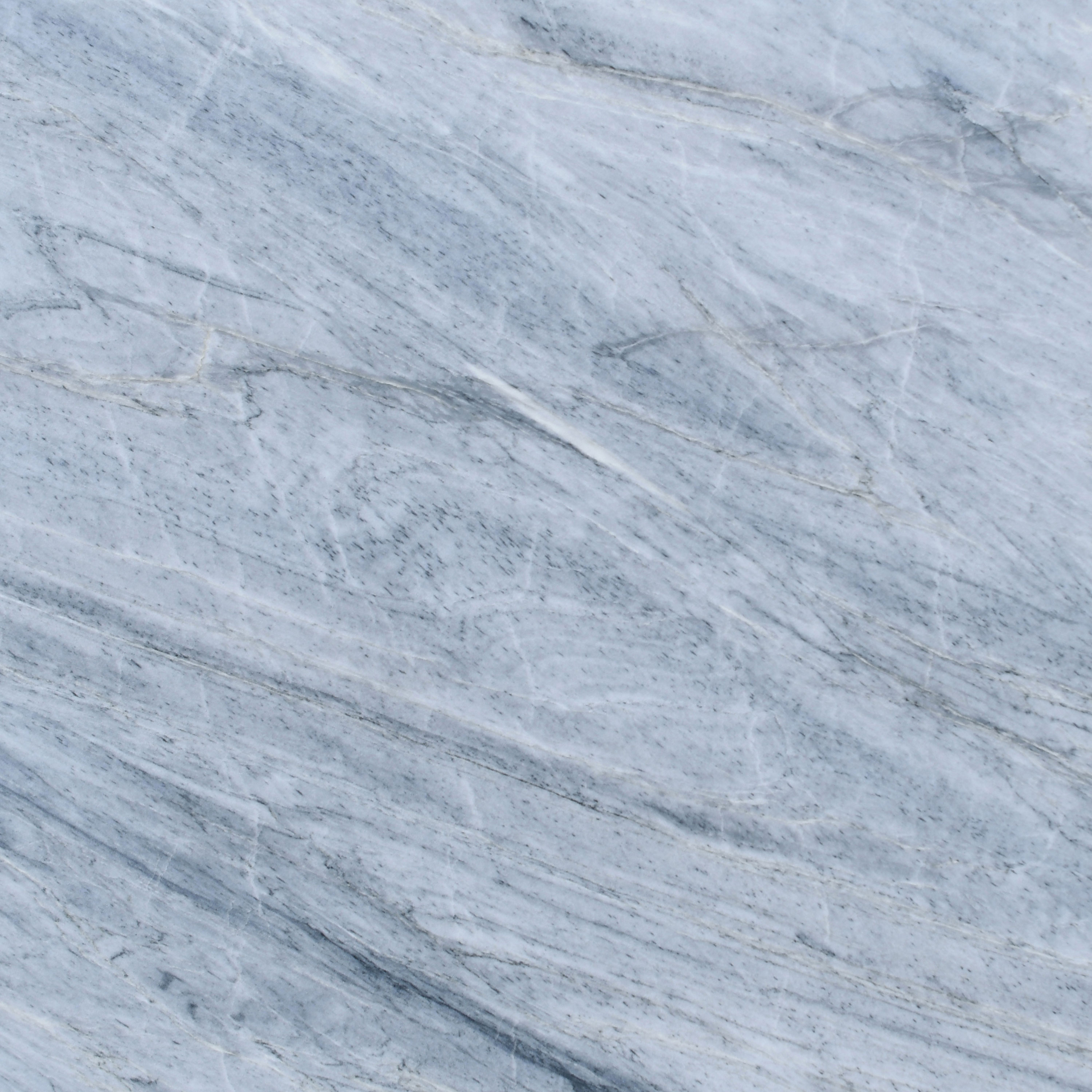
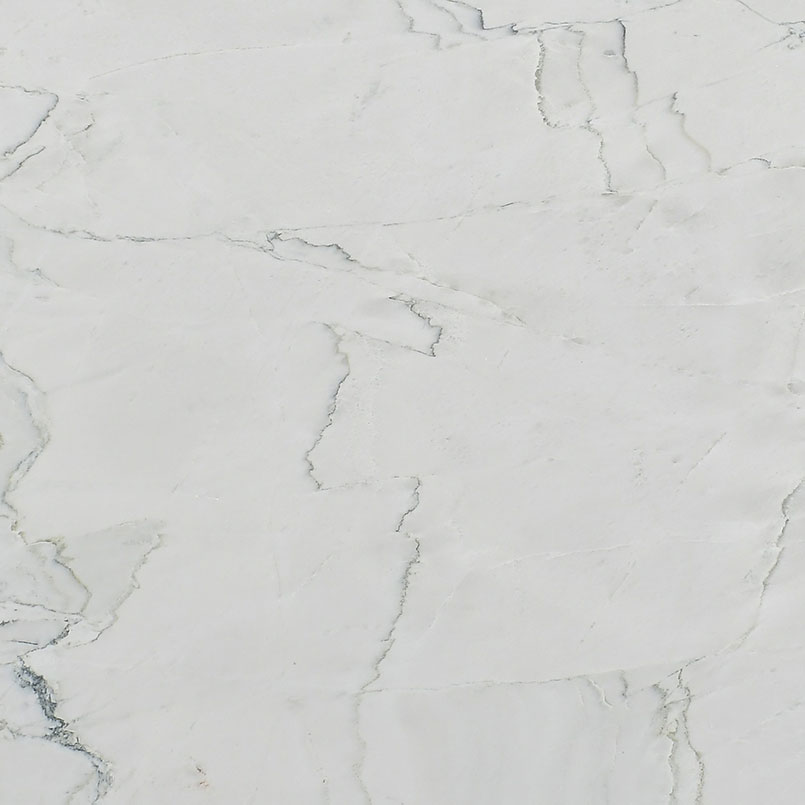
- White Macaubas. Soft white background with gray and light blue veining, closer to a true white than Taj Mahal. Reads clean and cool rather than warm.
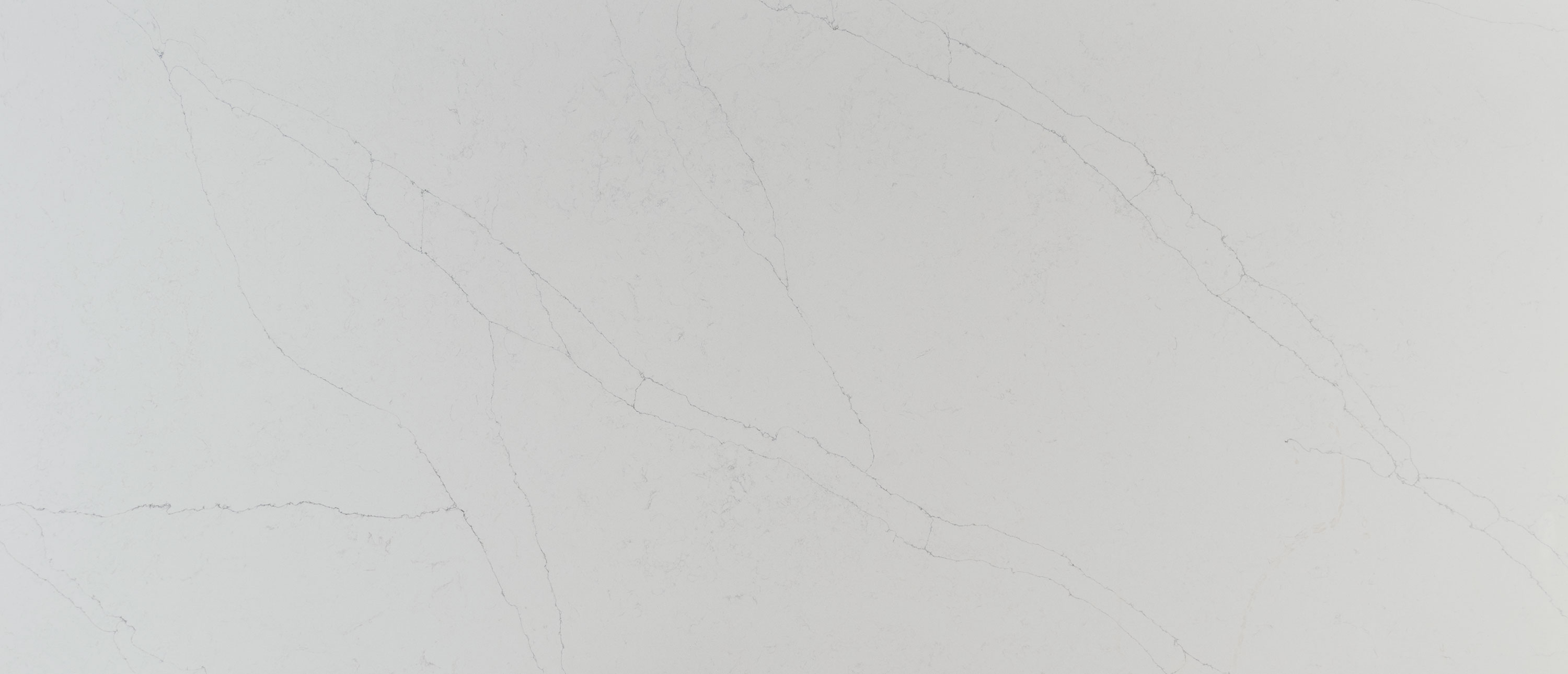
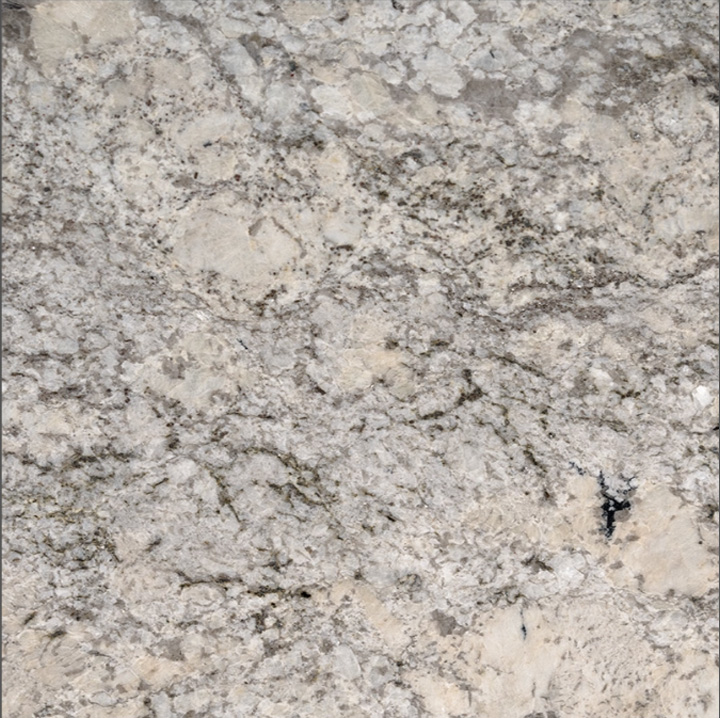
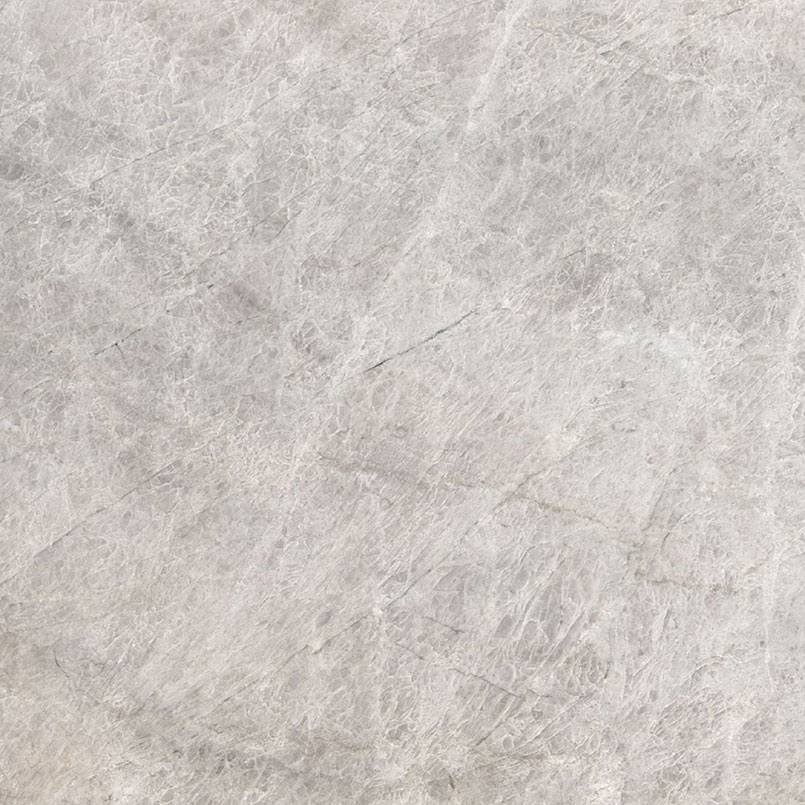
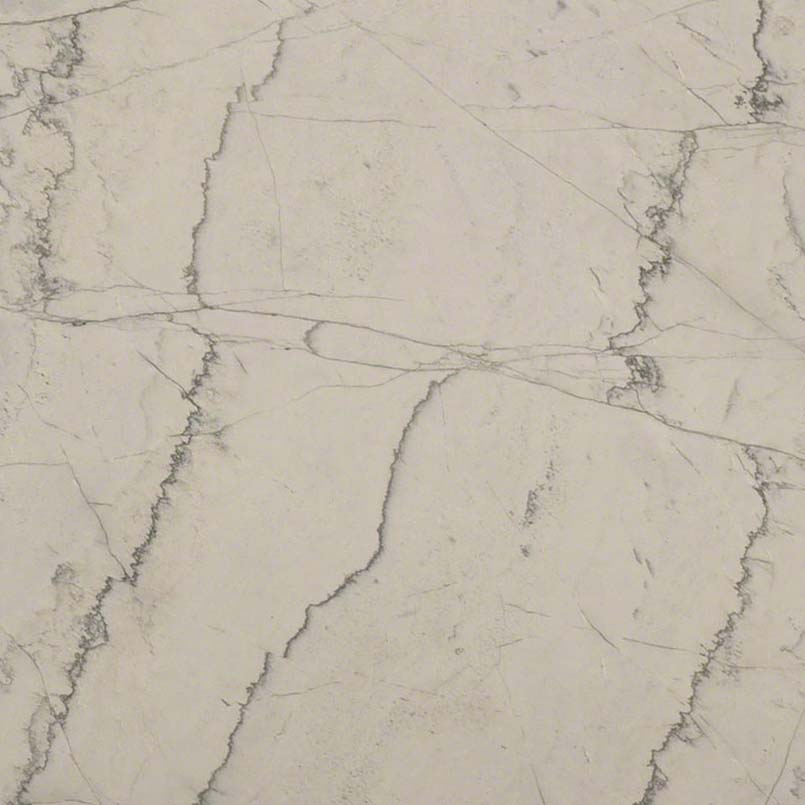
- Super White. A marble-like look with much better durability than the name suggests, since it is not pure white but a soft grey-white field. One of the most requested alternatives to Calacatta marble.
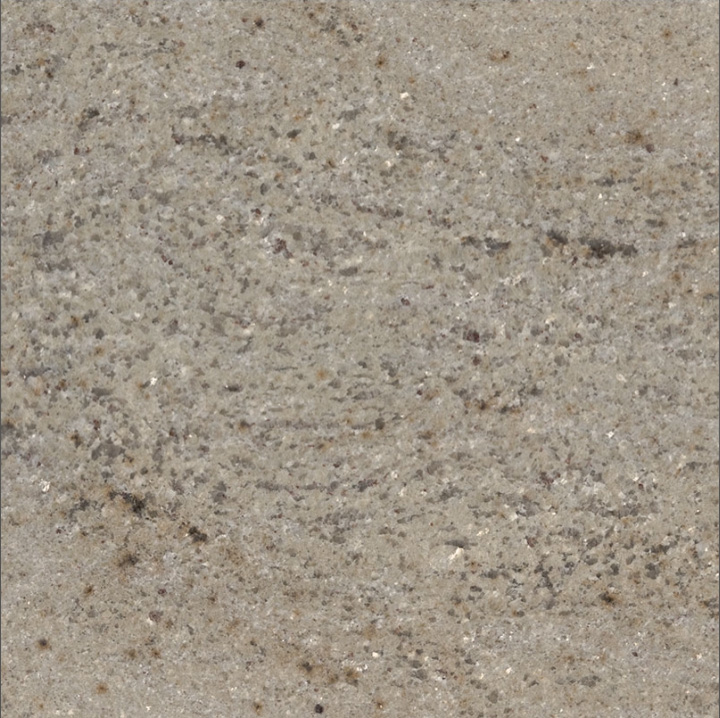
- Sea Pearl. Grey-green background with heavy, layered veining. A quieter, more textured alternative to the brighter whites.
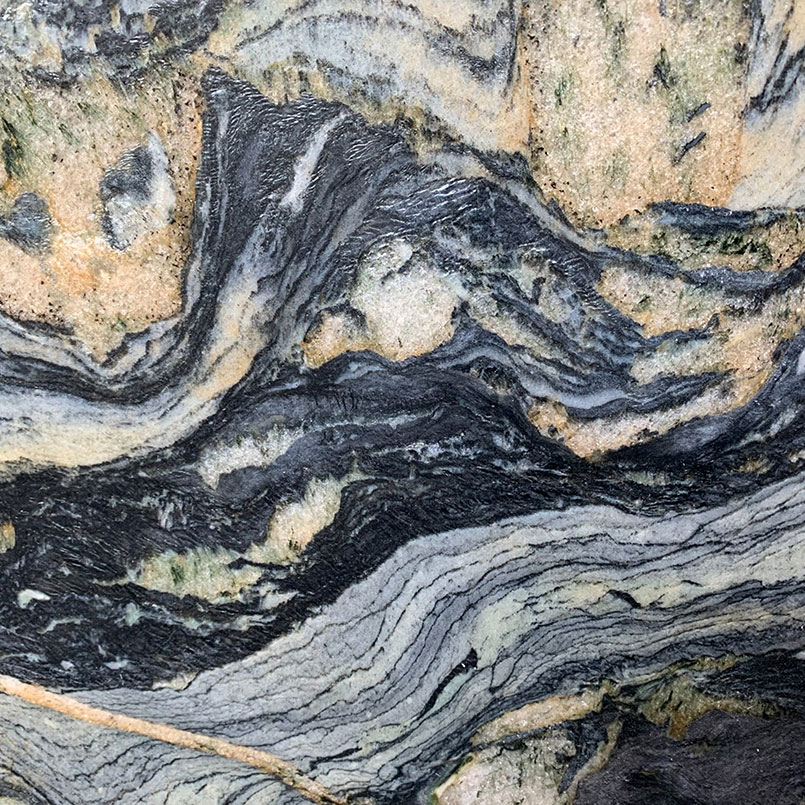
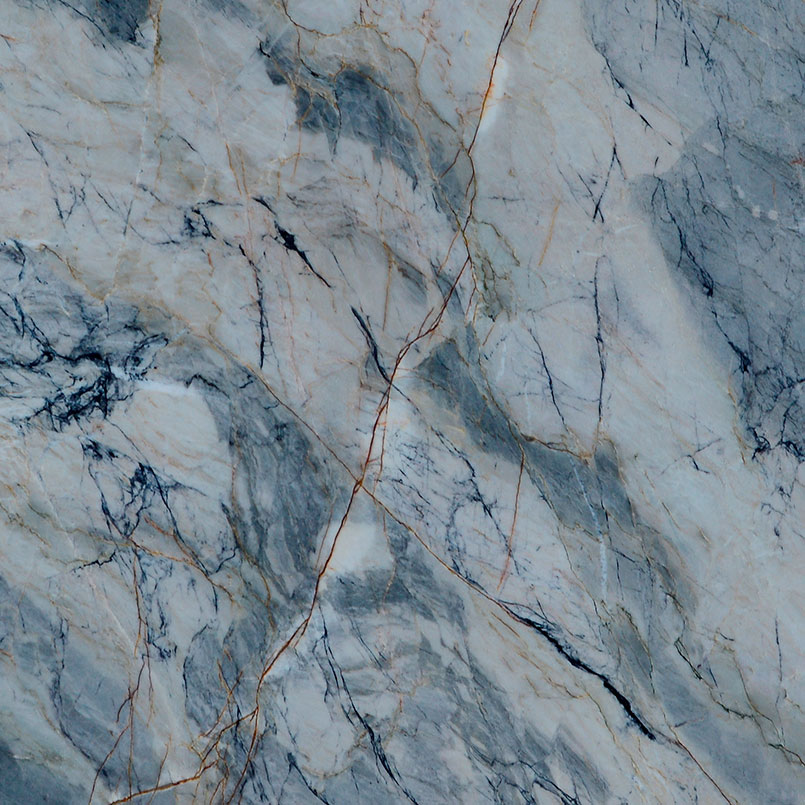
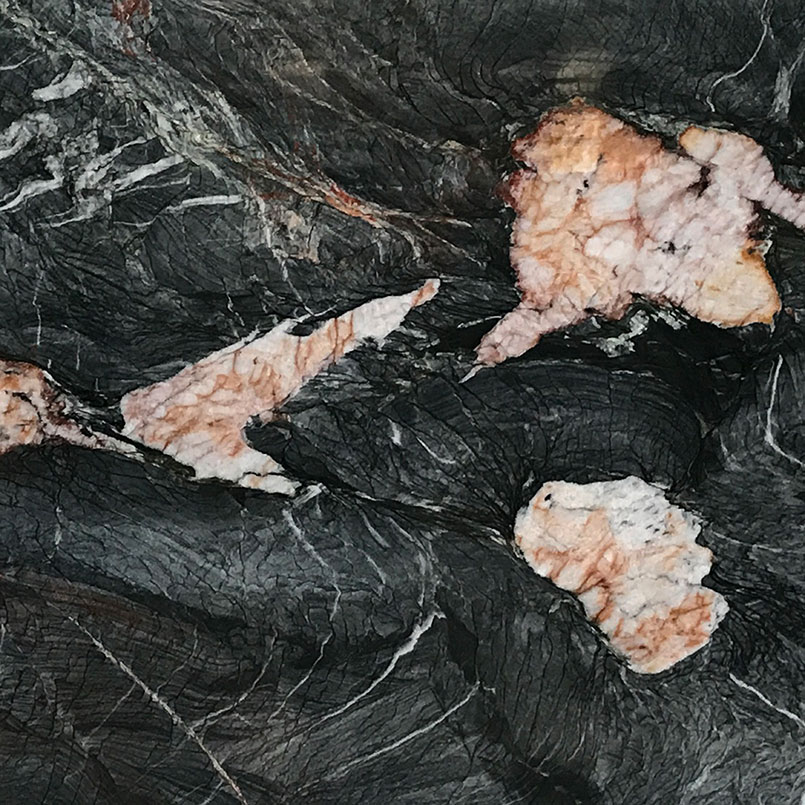
- Cristallo. Orange and grey veins against a white background, among the more dramatic and unusual quartzite patterns available.
- Fantasy Brown. Warm brown and grey veining on a cream field. A softer, earthier option for kitchens leaning traditional.
- Patagonia. Translucent quartz clusters running through a lighter field. A statement slab for a buyer who wants something no one else has.
- Fusion. Vibrant multicolor waves across the slab. The boldest option in the lineup, best suited to a single feature surface.
- Bianco Eclipse. Bright white base with fine grey movement. A calmer, more consistent white than Cristallo or Fusion.
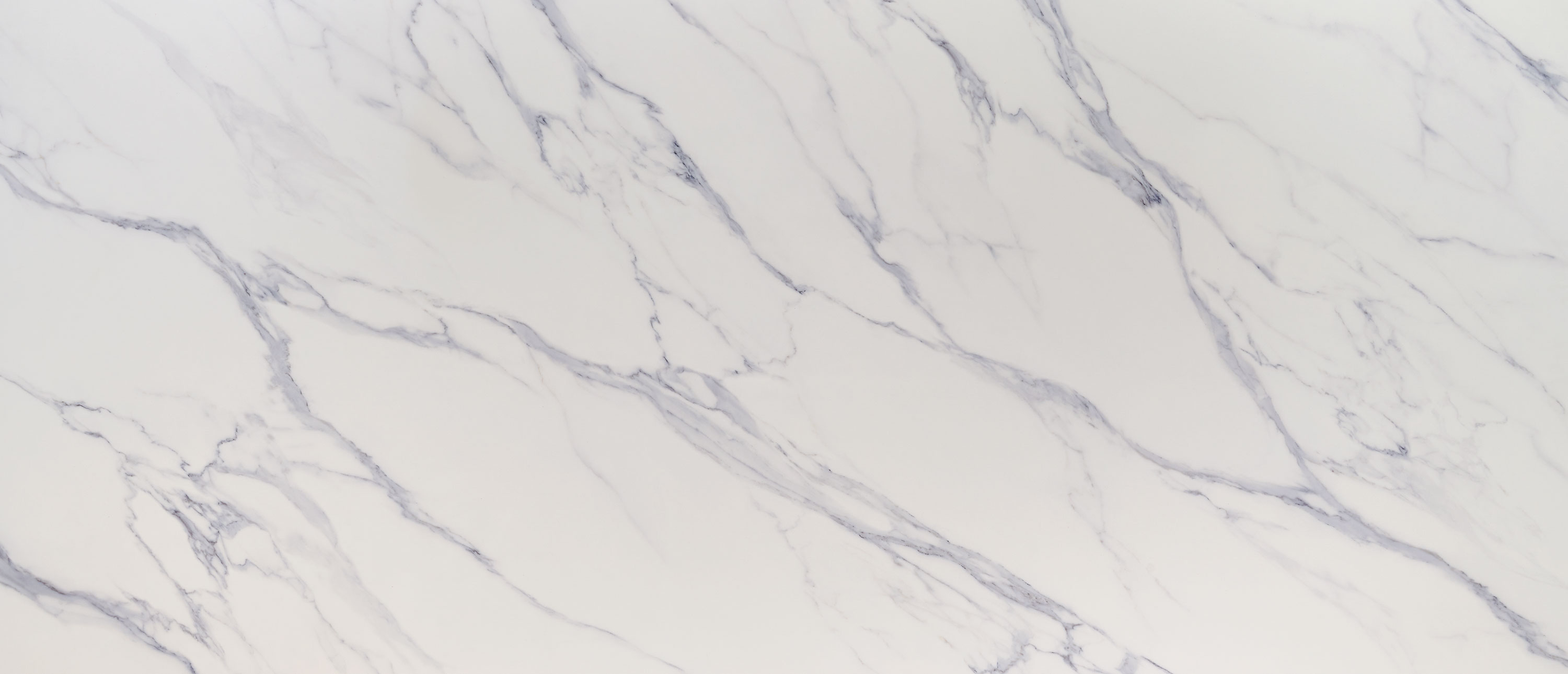
- Calacatta Macaubas. Marble-look veining on a white field, quarried rather than manufactured, for buyers set on the Calacatta pattern in real stone.
Why people choose quartzite
Harder Than Granite
Quartzite ranks above granite on the hardness scale. Daily contact that eventually shows on softer stone barely touches this material.
Looks Like Marble
It quarries out with the same pale fields and soft veining people fall for in marble, because it started as sedimentary stone before heat and pressure changed it.
Resists Etching
Wine, lemon juice, and vinegar sit on it without dulling the polish the way they do on marble. A wine glass that sweats overnight will not leave a mark.
Genuinely One of a Kind
Real quarried stone, not a repeating factory pattern. The slab in your kitchen exists exactly once and will never be exactly matched.
Built for a Working Kitchen
This is the material for a cook who already wants the marble look but refuses to baby a countertop. Toughness without giving up the pattern.
See Full Slabs in Crestwood
Taj Mahal, Super White, and more standing full height in our yard. A sample chip cannot show you veining that runs nine feet.
Where Quartzite Earns Its Keep
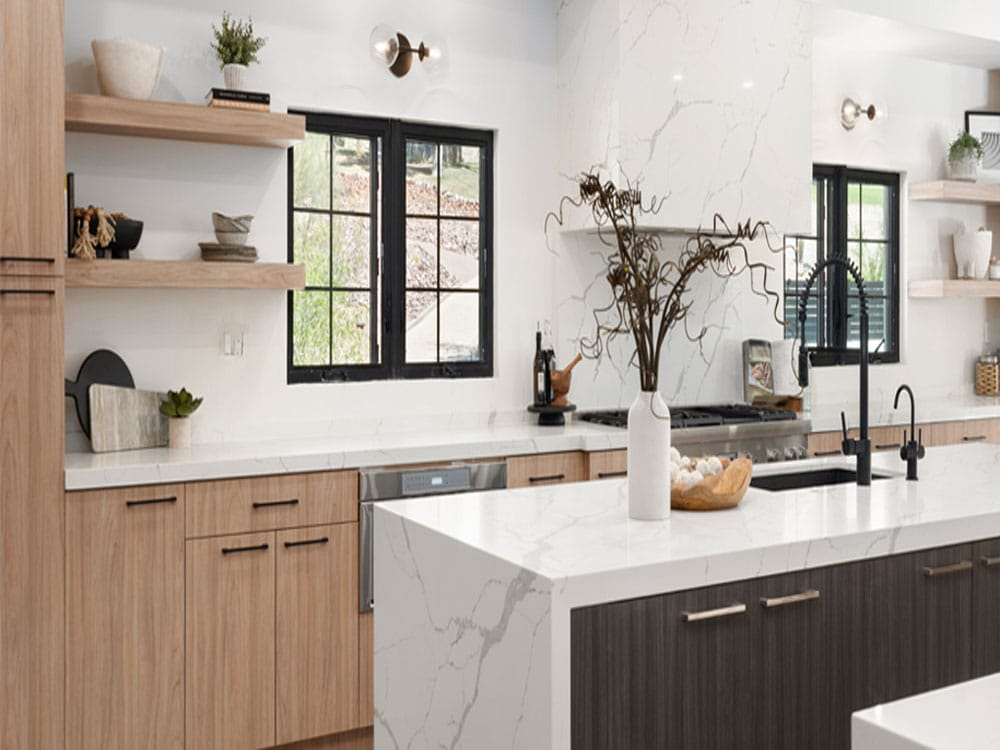
Marble gets zoned off to the vanity and the powder room because a working kitchen will eventually ruin it. Quartzite doesn’t need that conversation. It goes anywhere marble would go, plus the places marble can’t: the island where a kid sets down a lemonade glass, the run behind the range where a pot boils over, the prep counter where a knife drags across the surface a hundred times a week.
That doesn’t mean finish stops mattering. A honed quartzite still hides fingerprints and light scuffing better than a polished one, and a polished finish shows off the veining with more depth if the room has the light for it. The choice is aesthetic, not a workaround for a weakness, which is the real difference from marble.
Quartzite also settles an argument that comes up in almost every kitchen design: the person who wants the marble look and the person who has to actually cook in the room. Nobody has to compromise. The slab that looks right in the mood board photos is the same slab that survives a Tuesday night dinner rush.
Care is straightforward and not something you think about often. It still needs periodic sealing, since it is natural stone, but far less frequently than marble, and it shrugs off the acidic spills that would etch a softer surface if left overnight. Wipe it down, reseal on schedule, and otherwise forget it’s there.
Choosing your material
Quartzite vs Marble vs Quartz
All three can give you a white field with soft veining. Only one of them is quarried stone that also resists what ruins a kitchen counter.
| Quartzite | Marble | Quartz | |
|---|---|---|---|
| What it is | Natural stone, quarried, harder than granite | Natural stone, quarried | Engineered stone, manufactured |
| Etching from acids | Highly resistant | Etches from lemon, wine, vinegar | Does not etch |
| Scratch resistance | Hardest of the three, above granite | Softest of the three | Good |
| Heat tolerance | Excellent | Good | Use a trivet, resin can scorch |
| Sealing | Periodic sealing | Regular sealing required | Never needed |
| Pattern | Every slab unique, real depth | Every slab unique | Consistent, sample matches slab |
| How it ages | Holds its finish | Develops a patina, softens | Looks the same in ten years |
| Relative cost | $$$ | $$$ | $$ |
| Best for | Buyers who want the marble look in a kitchen that gets used hard | Low traffic vanities, buyers who want genuine marble | Busy kitchens, anyone who does not want upkeep |
Al Jory Marble fabricates all three. Quartzite is quarried, sealed, and set by our own crew, with marble and quartz available for buyers who want a different tradeoff. Come see full slabs side by side at our Crestwood showroom.
Quartzite Countertop Fabrication and Installation Process
Quartzite Countertop Fabrication and Installation Process
Get a Quartzite Quote, Not a Guess
Every quartzite slab in the yard is the only one of its kind, which means the block you love today might be someone else’s countertop next week. Walk it with us, put a hold on the slab, and we will hand you a written quote covering fabrication, edge profile, cutouts, and installation before you have to decide anything else.

Quartzite Countertop Questions
Quartzite is natural stone, formed when sandstone is compressed and heated underground until it fuses into something harder than granite. Quartz is engineered stone, made in a factory from crushed quartz and resin. The names sound alike, but they are not the same material. Quartzite is quarried and every slab is unique. Quartz is manufactured and the pattern repeats consistently.
For a kitchen that gets used hard, most people end up happier with quartzite. It gives you the same marble look, pale fields and soft veining, but it is harder than granite and resists the etching that marble is known for. Marble is still the right call for a buyer who wants genuine Italian marble specifically, or a low traffic space like a powder room vanity where etching is less of a concern.
We fabricate every quartzite countertop in our own Crestwood shop. Your slab is cut, edged, and finished in our facility, and our own crew handles the installation and sealing. Nothing is subcontracted out.
We template your space for exact dimensions, then plan the slab layout before anything is cut so the natural veining flows across your island and perimeter runs instead of stopping at a seam. On book matched slabs, we mirror the pattern at the seam so it reads as one continuous surface.
Yes. We walk your kitchen or bath, talk through layout, edge profiles, sink cutouts, finish, and budget, then give you a written estimate at no charge.
Yes. Once you choose a slab, we schedule a free in-home measurement so your quartzite countertops are templated to the exact dimensions of your space before fabrication begins.
Yes. A small sample cannot show you how the veining moves across a full slab, and every quartzite slab is different. Visit our showroom and slab yard at 4711 135th St in Crestwood to see full slabs end to end before you commit.
True quartzite is harder to quarry and harder to cut than granite, since it ranks above granite on the hardness scale. That extra time and tooling shows up in the price. We give every customer a written estimate at no charge so you know the exact cost before committing.
Timelines vary by project size and current shop schedule. After your free measurement, we can give you a specific timeline for fabrication, sealing, and installation of your quartzite countertops.
Yes. Our installation crew removes your existing countertops, sets and seams the new quartzite tops, dresses the sink and cooktop cutouts, applies the initial seal, and cleans up before walking the finished job with you.
Quartzite needs periodic resealing since it is natural stone, but far less often than marble. Between sealings, clean with warm water and mild soap, and use a pH neutral cleaner rather than a general purpose spray. It resists staining and etching far better than marble, so acidic spills that would dull a marble surface are much less of a concern here.
Polished, honed, and leathered finishes are all done in our own shop. Polished brings out the most depth in the veining. Honed and leathered read softer and hide fingerprints and light scuffing better. We will walk you through which finish suits your kitchen and how you actually cook.
Yes. We fabricate in our own Crestwood shop and install quartzite countertops across Chicago and the surrounding suburbs.